
Last updated November 23, 2026
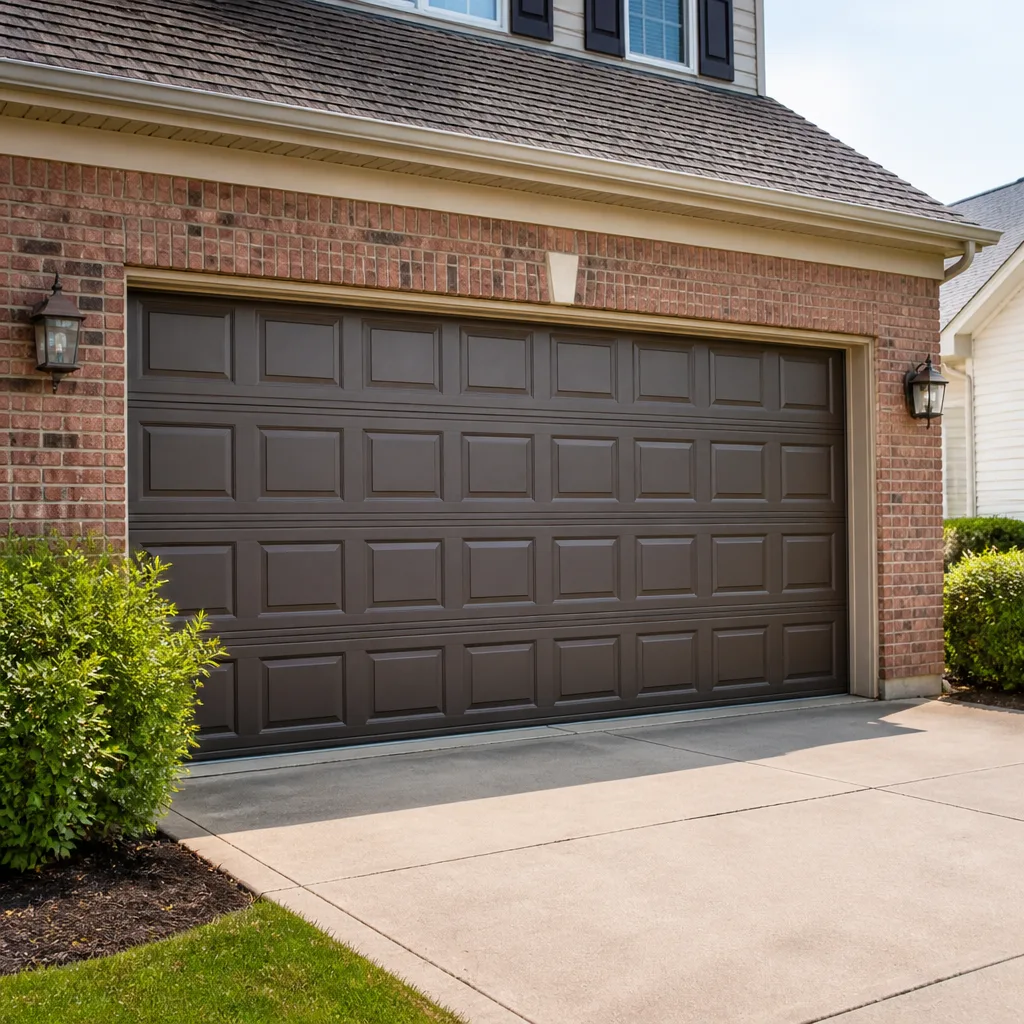 Raised-panel steel
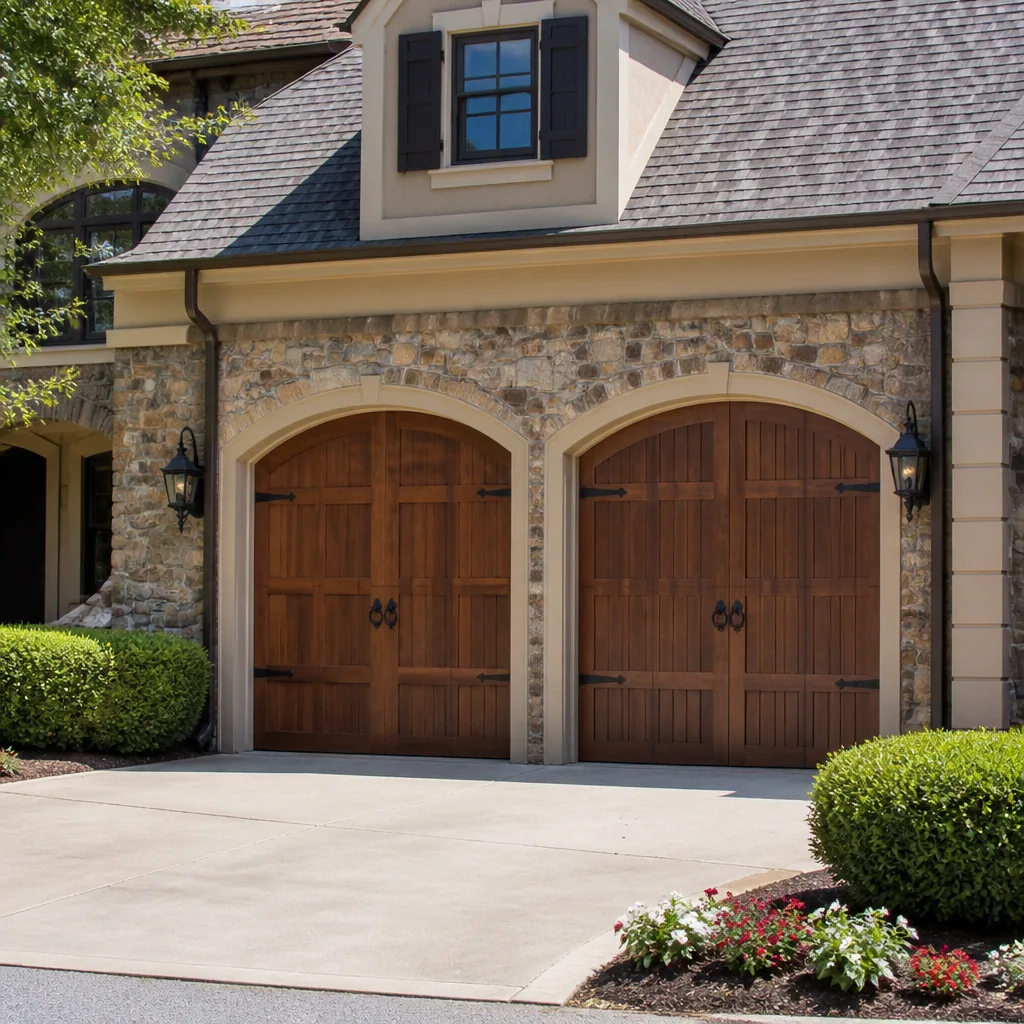 Carriage house
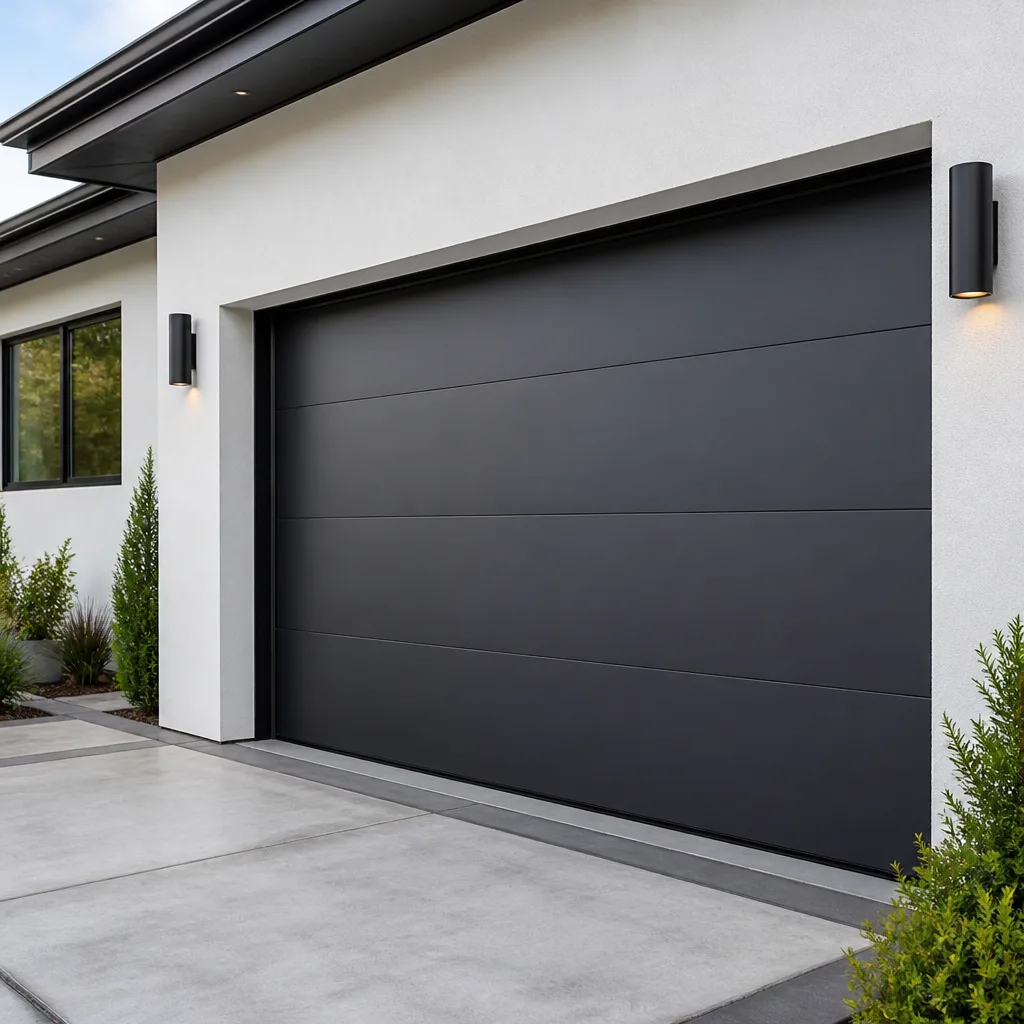 Modern flush
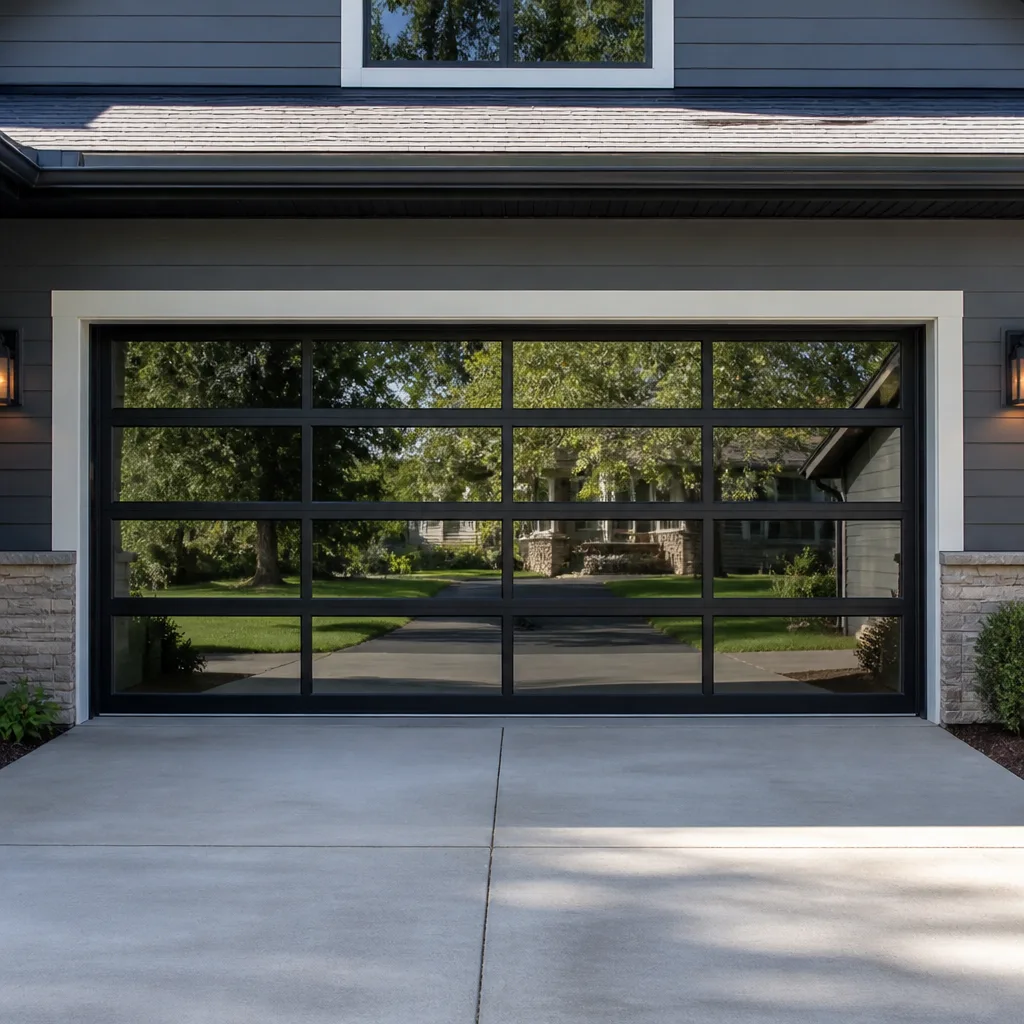 Full-view glass
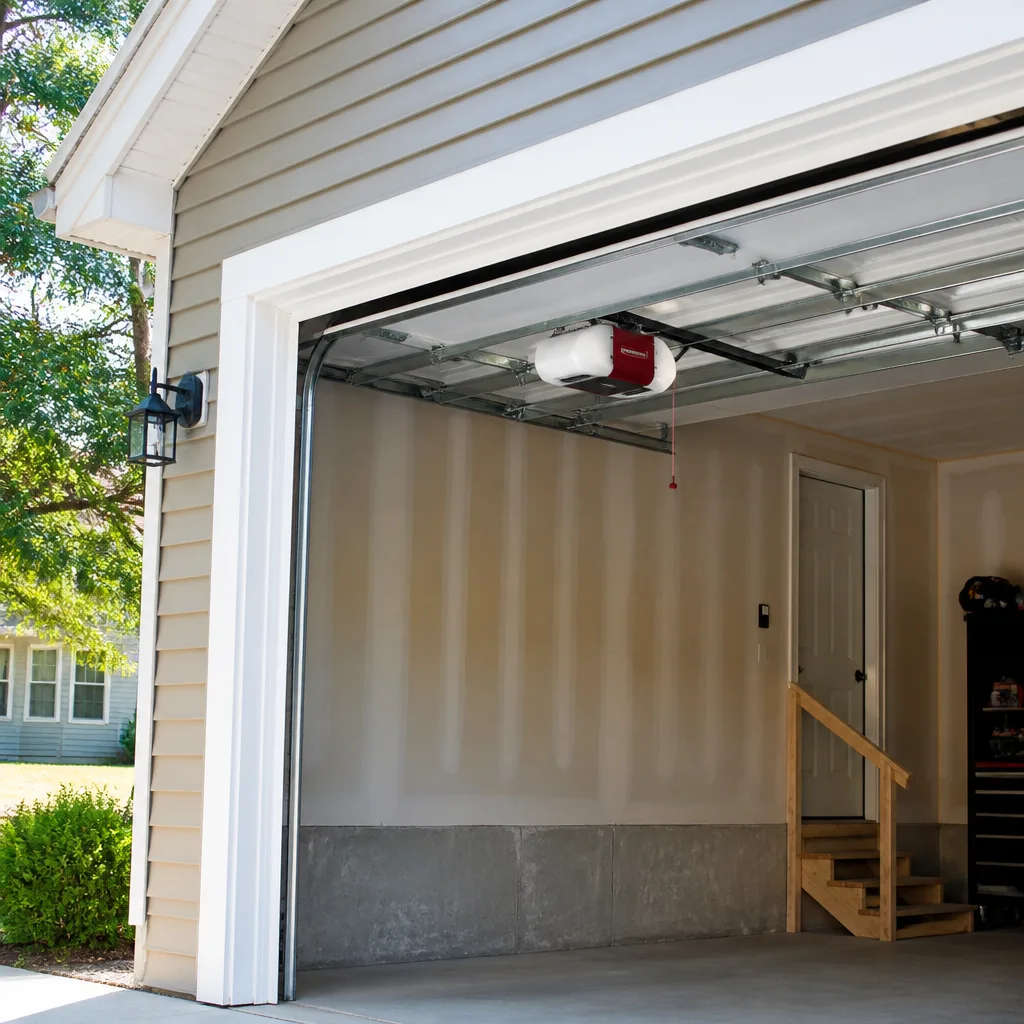 LiftMaster openers
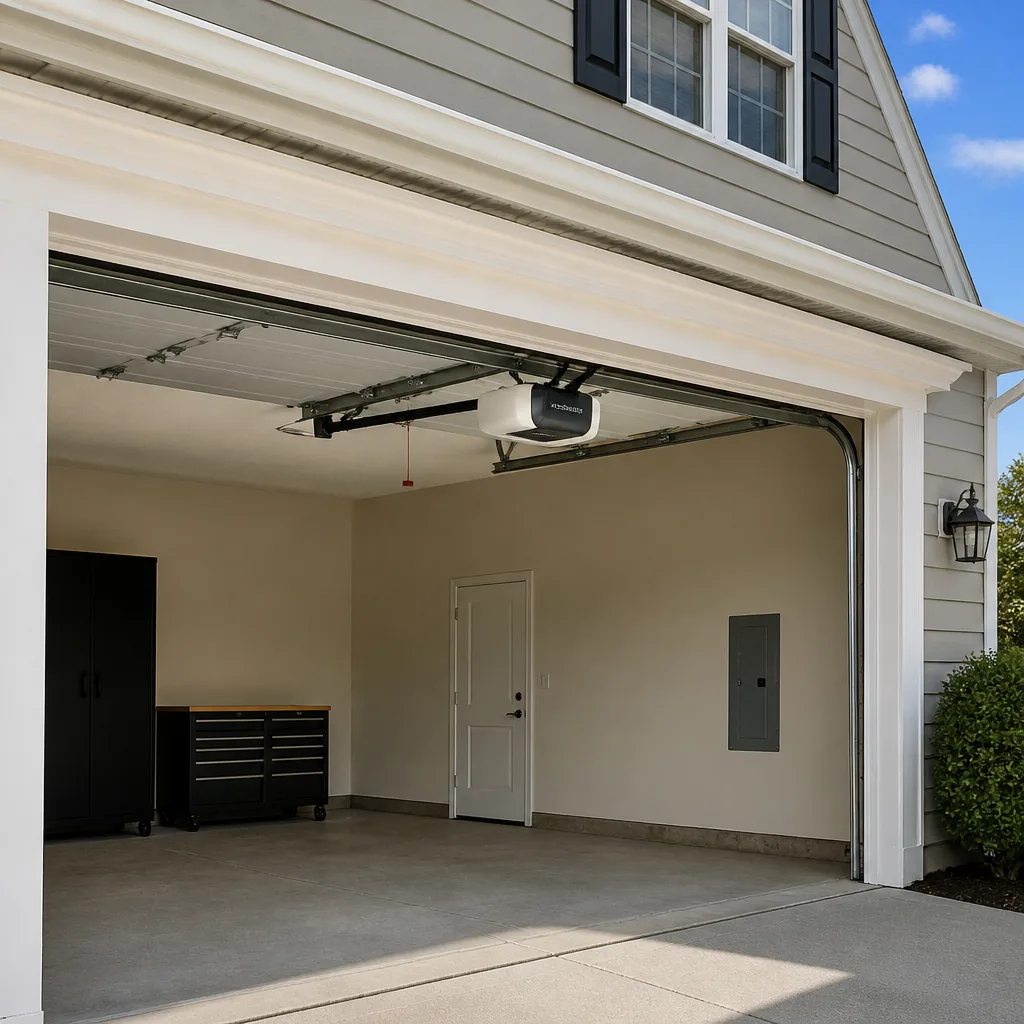 Chamberlain openers
Full 25-point door and opener safety check with every visit - springs, cables, rollers, tracks, and your LiftMaster or Chamberlain opener included
You get a price before we start. It does not change when the pro arrives.
Get your free estimateDIY vs Professional Garage Door: The Plainfield Homeowner’s Decision Guide
Most homeowners who get hurt working on a garage door don’t make a careless mistake. They make a reasonable one: they watch a tutorial, buy the right part, and assume the danger shown on screen is exaggerated for effect. It isn’t. A loaded torsion spring stores enough energy to throw a winding bar across a garage with real force, and the failure doesn’t announce itself. The real question in Plainfield isn’t whether you can save money doing it yourself. It’s whether the specific task in front of you belongs in the safe column or the dangerous one. This guide gives you a clear category system for that call, the honest cost math, and a decision path you can trust.
Styles & brands we work with
- Raised-panel steel
- Carriage house
- Modern flush
- Full-view glass
- LiftMaster openers
- Chamberlain openers
Quick Answer
Some garage door work is genuinely DIY-safe (lubrication, sensor alignment, remote programming, weatherstripping) and worth doing yourself. Other work (spring replacement, cable replacement, header bracket installation) is professional-only because the stored mechanical force can injure you regardless of your skill or confidence level. Opener installation and full door replacement fall in between: a determined homeowner can attempt them, but doing it right in Plainfield’s older housing stock usually means permits, helpers, and tools you don’t own.
Table of Contents
- The Four Categories of Garage Door Work
- Category 1: DIY-Safe Tasks You Can Handle This Weekend
- Category 2: Skilled but Low-Risk Tasks
- Category 3: Professional-Only Tasks and Why the Physics Don’t Care
- Category 4: The Real Cost of a DIY Opener Install in Plainfield
- Why Plainfield’s Older Homes Raise the DIY Risk
- The Warranty You Void Without Realizing It
- Your Decision Flowchart: DIY or Call a Pro?
- Common Mistakes to Avoid
- When to Call a Professional
- Frequently Asked Questions
- The Bottom Line
The Four Categories of Garage Door Work
The mistake most homeowners make is treating “garage door repair” as one single job with one single difficulty level. It isn’t. The work sorts cleanly into four buckets, and knowing which bucket your task falls into is the whole decision. Here’s how we break it down when we talk to Plainfield homeowners on the phone.
- DIY-safe: Lubrication, photo-eye sensor alignment, remote and keypad reprogramming, weatherstripping replacement, light bulb swaps, basic visual inspections.
- Skilled but low-risk: Track adjustment, roller replacement, panel dent repair, hinge replacement on a door with the tension released safely, minor bracket tightening.
- Professional-only by physics: Torsion or extension spring replacement, cable replacement, header bracket installation, bottom bracket work, anything requiring the spring tension to be released or re-set.
- Installation work (door or opener): A separate category because the risk isn’t in the spring but in the rough opening, the framing, the electrical, and the warranty documentation.
Notice what the list does. It doesn’t divide by how hard the task looks or how handy you are. It divides by what happens when the task goes wrong. That’s the only line that matters on a garage door.
If you already know your task lands in the third bucket, skip ahead. Our garage door spring repair team handles the dangerous work daily and can talk you through what your door needs before anyone touches it.
Category 1: DIY-Safe Tasks You Can Handle This Weekend
These are the jobs where doing it yourself is not only fine, it’s sensible. None of them involve stored spring energy, and a mistake costs you a little time, not an injury. If your garage door problem is one of the following, you can genuinely handle it without calling anyone.
- Lubrication. A noisy door is usually a dry door. A garage-door-rated lubricant on the hinges, rollers, and springs (wiped on, never sprayed into the spring coils) quiets things down and slows wear. Do this a couple of times a year, especially after Plainfield’s humid summer stretches and its cold, dry winters, which both dry out metal contact points.
- Photo-eye sensor alignment. If the door reverses immediately after closing, the safety sensors near the floor are probably misaligned or blocked. Wipe the lenses, check that neither is knocked askew, and confirm the small indicator lights on each are steady. That’s it.
- Remote and keypad reprogramming. A remote that stops working is usually a dead battery or a lost pairing, not a broken opener. The manual for your LiftMaster, Chamberlain, or Genie unit walks you through the pairing steps in a few minutes.
- Weatherstripping replacement. The rubber seal along the bottom of the door and the strips around the frame are meant to be consumables. They crack, harden, and let in drafts and pests. Pulling the old seal and sliding on a new one is a straightforward DIY task.
None of these require lifting anything heavy or releasing tension. If you can change a light fixture, you can do every item on this list. Save your money for the work that actually needs a specialist.
Category 2: Skilled but Low-Risk Tasks
The middle bucket is where confident homeowners often get themselves into trouble, not because the task is dangerous, but because the task is harder than it looks or easy to do half-right. Track adjustment, roller and hinge replacement, and panel dent repair all live here. They don’t store lethal energy, but they change how the door travels, and a door that travels badly wears out fast.
Here’s how to tell if you should attempt one of these:
- Can you support the door safely while you work? Any task that involves the door off its normal resting position needs a helper or proper bracing. Working alone under a partially open door is how people get hurt on the low-risk jobs too.
- Do you have the right tools? Track adjustment needs the right wrenches, a level, and patience. Roller replacement needs the door raised and secured. If you’re improvising tools, stop.
- Will you know if the door is still balanced when you’re done? A door that’s out of balance strains the opener and the springs. If you can’t test and correct the balance, the job isn’t finished.
Panel dent repair deserves its own note. A small dent in a hollow steel panel can sometimes be worked out. A creased or badly bent panel on a Clopay or Amarr door usually can’t be repaired to look right, and forcing it can crack the finish and invite rust. In our experience, dented panels are often a replace-not-repair decision, which is worth a second opinion before you start prying.
Category 3: Professional-Only Tasks and Why the Physics Don’t Care
This is the section that matters most, so we’ll be blunt. Torsion and extension spring replacement, cable replacement, header bracket installation, and any work at the bottom bracket are professional-only. Not “professional-only if you’re not handy.” Professional-only, full stop. The reason is not that these jobs are complicated. It’s that the forces involved are enormous and stored, and a single slip releases all of it at once.
A torsion spring holds the full weight of your garage door under tension at all times. The winding bars used to adjust it are the only thing standing between that stored energy and whoever is turning them. In our experience, the injuries we hear about from homeowners attempting spring work don’t come from carelessness. They come from the tutorial making it look like a controlled process, when in reality the spring can let go the instant a bar slips. There’s no partial credit and no second chance in that moment.
Cables are the same story from a different angle. They’re under tension too, and a cable that snaps free can whip with real force. Header bracket installation requires anchoring into framing that may be older or hidden, and a bracket that lets go under a door’s weight is a serious hazard.
We won’t write step-by-step instructions for any of these, and you should be skeptical of any guide that does. What you can do safely is understand what’s involved and know when to stop. If your door won’t open because a spring is broken, that’s not a DIY moment. That’s a call to a specialist. For anyone in that situation, our garage door repair service exists for exactly this list of jobs.
Category 4: The Real Cost of a DIY Opener Install in Plainfield
Homeowners often assume a DIY opener install saves them the labor cost. The honest math is messier than the sticker price on the opener box. Before you decide, factor in each of these:
- Permits. Most New Jersey towns require an electrical permit for new wiring to the opener, and Plainfield is no exception to that general pattern. Check with Plainfield’s building department before you start. A permit you didn’t pull can create a problem when you sell.
- Tool rental. A proper ladder tall enough for your ceiling height, a drill and bits, and the specialty items a first-timer might not own add up. A rented ladder is a cost. A borrowed one that’s too short is a hazard.
- Realistic time for a first-timer. A pro does this in a few hours. A careful first-timer usually spends a full day, and often a second day fixing the rail alignment or the sensor placement that wasn’t quite right. Your time has value even if it isn’t billed.
- The re-do cost. If the opener doesn’t work right, you may end up paying a professional to diagnose and correct the install, which means the money you “saved” is now a sunk cost on top of the pro charge.
We aren’t saying DIY opener install is impossible. Some homeowners do it and do it well. But the savings are smaller than they look once you’re honest about permits, tools, and time. The right fix, the first time, is usually the cheaper path when you count everything. If the opener is already installed and misbehaving, that’s a different job; our garage door opener repair team handles Chamberlain, Genie, LiftMaster, and other major units.
Why Plainfield’s Older Homes Raise the DIY Risk
Plainfield has a housing stock that stretches across a wide range of eras, from Victorian and early-1900s homes near the downtown and the Van Wyck Brooks Historic District to mid-century houses out toward the edges of town. That age spread matters enormously for garage door work, and it’s the piece most DIY guides skip entirely.
Older garages in Plainfield frequently have rough openings that aren’t standard by today’s measurements. That means a new door or opener sized from the manual may not fit the opening you actually have. It also means the framing behind the drywall or the older garage wall is often not what the installer expects: undersized, notched, or patched by a previous owner. A first-timer measuring from the visible opening can easily miss a framing problem that a trained installer catches in the first five minutes. What looks like a measuring difference turns into a door that binds, an opener that strains, or a bracket that never grabs solid wood.
We’ve seen this pattern across Plainfield’s neighborhoods, and it’s not a knock on those homes. It’s simply that old buildings carry surprises. A professional measure before ordering exists precisely to catch them. Our Plainfield Garage Door Repair Pros team measures the actual rough opening, not the door you’re replacing, before anything is ordered.
The Warranty You Void Without Realizing It
This is the quiet cost of DIY that doesn’t show up until something fails. Most major garage door manufacturers extend their warranties on the assumption that installation and important repairs are done by a qualified professional. When the work is done without documentation of a professional install, the manufacturer can decline to honor a warranty claim on the door or the tension system. That means the spring that fails a year after a self-installed door, or the panel that develops a problem, may come entirely out of your pocket.
The brands most commonly installed in Plainfield homes, from Clopay to Amarr, are the ones we work on and know well. If you’re weighing DIY to save money, weigh it against the cost of a failed component the manufacturer won’t cover. On a $1,500 door, losing the warranty is a real number.
If you’re hiring for the install, ask whoever you hire to document the work and hand you the paperwork. Our garage door installation work is done the same way: the local pro installs to manufacturer spec and you get the documentation that keeps the warranty intact.
Your Decision Flowchart: DIY or Call a Pro?
Use this numbered path to sort your situation in under a minute. Start at the top and stop at the first honest answer.
- Does the task involve a spring, a cable, or the header bracket? If yes, call a professional. No exceptions, regardless of your skill.
- Does it involve installing a new door or a new opener? If yes, get a free measure and a written price before deciding. In Plainfield’s older homes, the rough opening and framing need a professional look.
- Is the task on the DIY-safe list (lubrication, sensor alignment, remote programming, weatherstripping)? If yes, handle it yourself. You don’t need us for it.
- Is it a low-risk but skilled task (track, roller, hinge, panel)? If yes and you have tools, a helper, and time to do it properly, go ahead. If any of those is missing, call.
- Is the door off its track, hanging, or making a new loud noise? If yes, stop and call. Something structural is involved, and diagnosing it yourself risks making it worse.
- Are you unsure which bucket your task belongs in? Call us and describe what’s happening. A two-minute conversation usually settles it, and you’ll know whether to attempt it or book a visit.
That’s the whole decision, stripped down. The categories do the work; you just have to be honest about which one your job is in.
Common Mistakes to Avoid
- Treating a broken spring like any other broken part. A garage door with a broken spring is a door being held up by the opener’s small motor alone, which is not built for that weight. Don’t run the opener repeatedly hoping it’ll grab. That’s a professional-only job from the start.
- Measuring a new door from the visible opening. On Plainfield’s older garages, the rough opening you can see often isn’t the dimension that matters. Measure the framing, not the trim, or have someone measure it for you.
- Winding a torsion spring without winding bars. Improvising with a screwdriver or a ratchet extension is a sure way to get hurt. The bars exist because the force is too large for anything else to hold safely. This is a stop-and-call moment.
- Skipping the electrical permit on a new opener. Plainfield’s building department can tell you what’s required. An unpermitted install can complicate a future sale, and it’s not worth the risk to skip it.
- Assuming a new opener comes with a matching door. A high-torque opener on an old, heavy door strains both. Match the opener to the door you have, not the door you saw at the store.
- Forgetting to check the balance after any track or roller work. A door that’s out of balance wears out the springs and the opener. Test balance before you call the job done.
- Buying a replacement door online for a non-standard opening. A size that seems close isn’t close. A door that’s slightly off will bind, and returning a door is far harder than ordering one correctly.
When to Call a Professional
Call a professional when the task involves a spring, a cable, or a header bracket, when the door is off its track or hanging, or when you’re installing a new door or opener in a Plainfield home old enough that the rough opening might not match the book. Call if you’ve started a low-risk job and found something you didn’t expect. Call if the door is making a loud noise or moving unevenly, because uneven travel points to a balance problem that gets worse the longer it runs. And call if you simply want the job done right the first time and would rather not spend your day on a ladder. Plainfield Garage Door Repair Pros offers free estimates in Plainfield. Call (877) 492-3251, describe what’s happening, and we’ll tell you straight whether it’s a job you can handle or one that needs a technician in your garage.
Frequently Asked Questions
No. Spring replacement is professional-only because the tension in a loaded spring is enormous and releases all at once if a winding bar slips. No amount of care or DIY experience changes that. Call (877) 492-3251 for a free estimate before anyone touches that spring.
It saves less than the sticker price suggests, because you still pay for the permit, any tools you rent, and your own time, and a misaligned install often needs a professional to correct. The honest savings depend on your tools and skill; a free written quote from a pro is the only accurate comparison. Call (877) 492-3251 for that quote.
Only to look at it, never to try to move or repair it. A door with a broken spring is being held by the opener motor alone and should not be run; the spring itself is still dangerous to touch. Keep the door down and call for service. Call (877) 492-3251 and we’ll schedule a technician.
It may. Most major manufacturers, including Clopay and Amarr, assume professional installation when they honor a warranty claim, and doing the install without professional documentation can leave you with a component failure the manufacturer won’t cover. Ask before you start, and if you’re hiring, ask for documentation. Call (877) 492-3251 to talk through your options.
Lubrication, photo-eye sensor alignment, remote and keypad reprogramming, weatherstripping replacement, and basic visual inspection are all genuinely DIY-safe. Track and roller work is skilled but low-risk if you have the tools and a helper. Anything involving a spring, cable, or header bracket belongs to a professional. Call (877) 492-3251 if you’re unsure which bucket your job is in.
Very often, yes. We answer 24/7 and run fast dispatch from 7am to 7pm, Sunday through Friday. A call outside dispatch hours is booked into the next opening. Call (877) 492-3251 and we’ll give you a free estimate and the earliest available time.
The Bottom Line
The DIY-versus-pro question for garage doors is not really about saving money. It’s about correctly sorting your task into the right category. Lubrication, sensor alignment, remote programming, and weatherstripping are yours to handle. Track and panel work is low-risk if you’re honest about your tools and help. Springs, cables, and header brackets are professional-only because the physics are unforgiving. Opener and door installs sit in the middle, where permits, rough openings, and warranty documentation tip the math toward a pro more often than the sticker price suggests. Our technicians have up to 15 years of experience across the brands most common in Plainfield homes. When you want the job done right the first time, call (877) 492-3251 for a free estimate. We answer 24/7, with fast dispatch from 7am to 7pm, Sunday through Friday.
Written by the team at Plainfield Garage Door Repair Pros.
See the difference
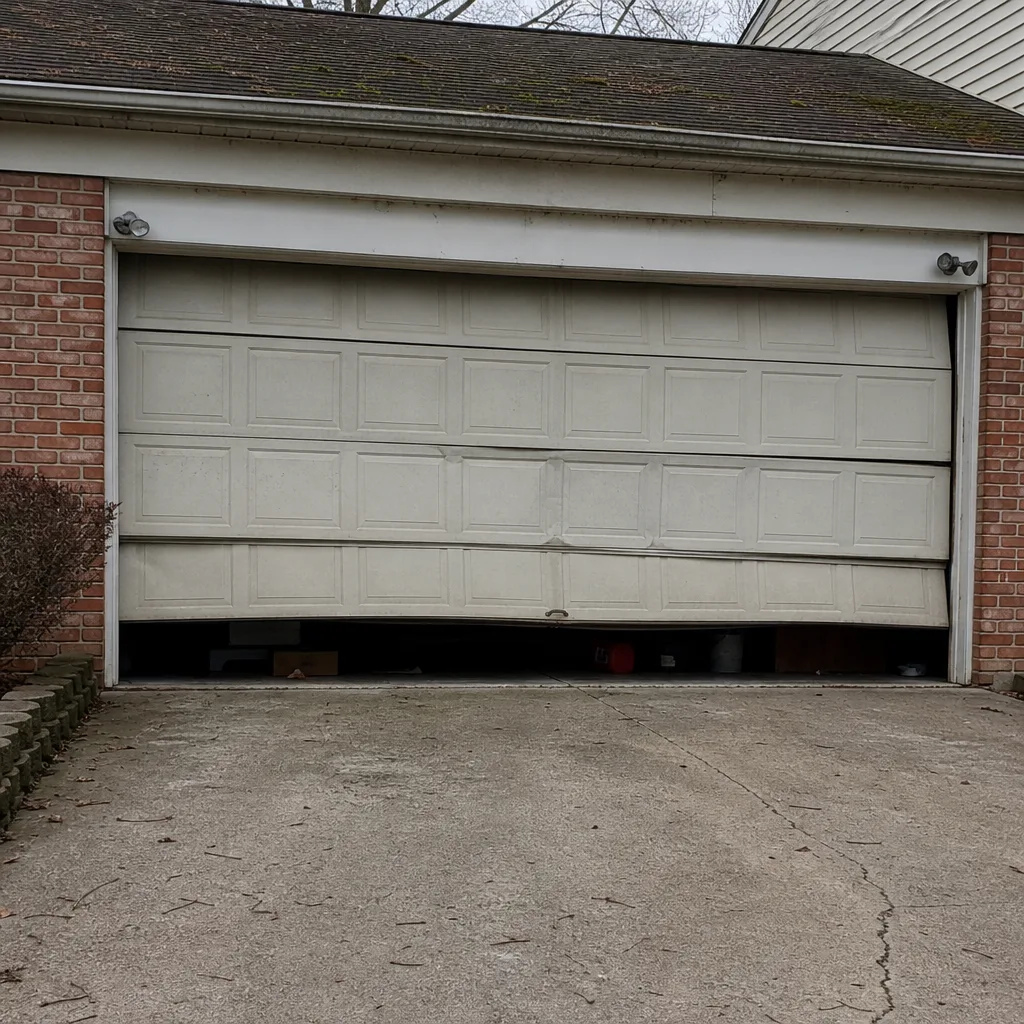 Before
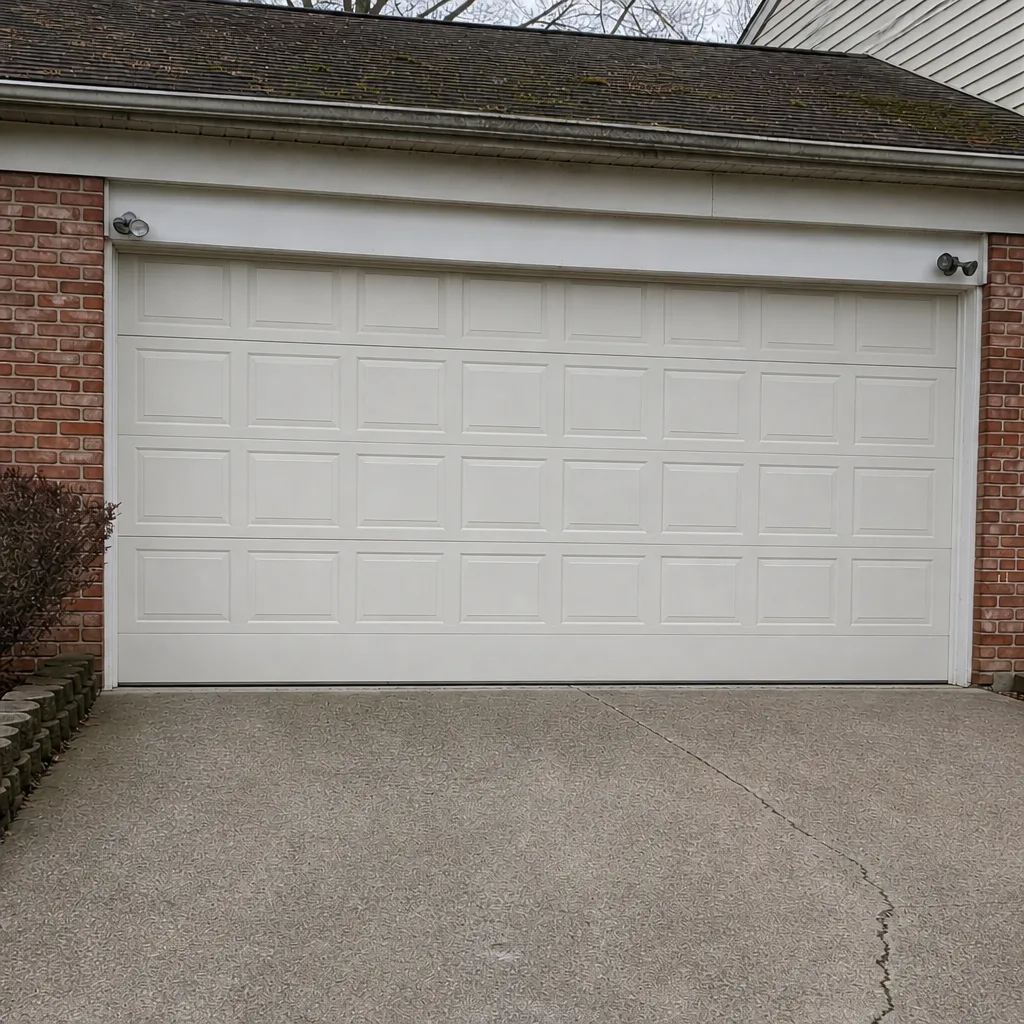 After
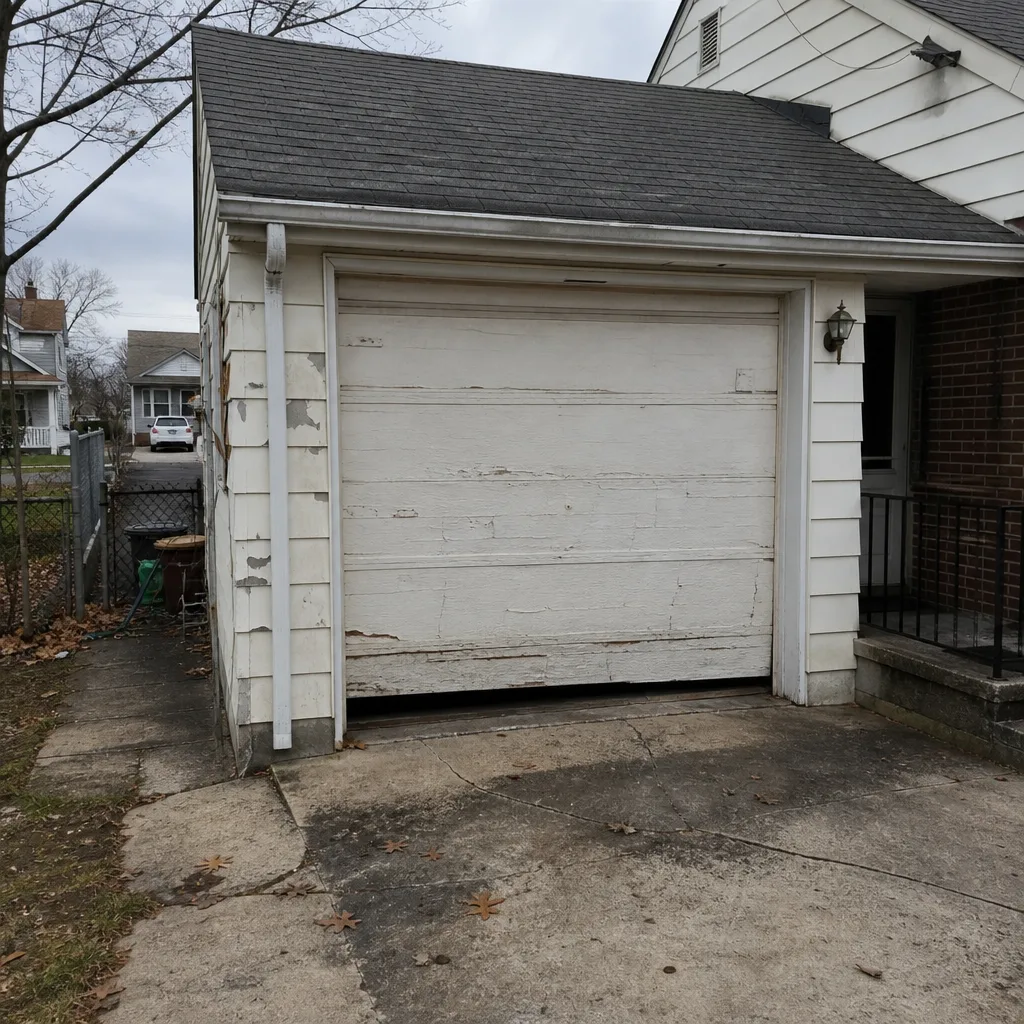 Before
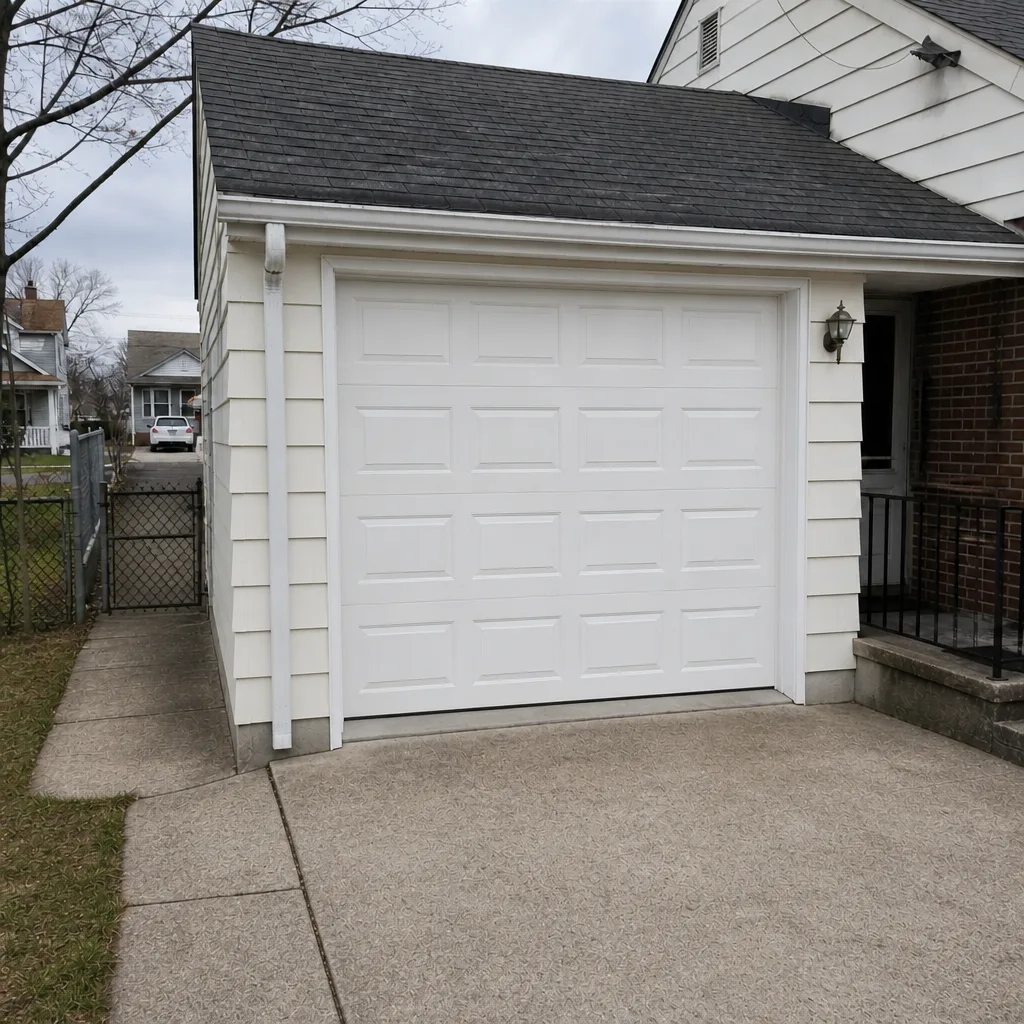 After
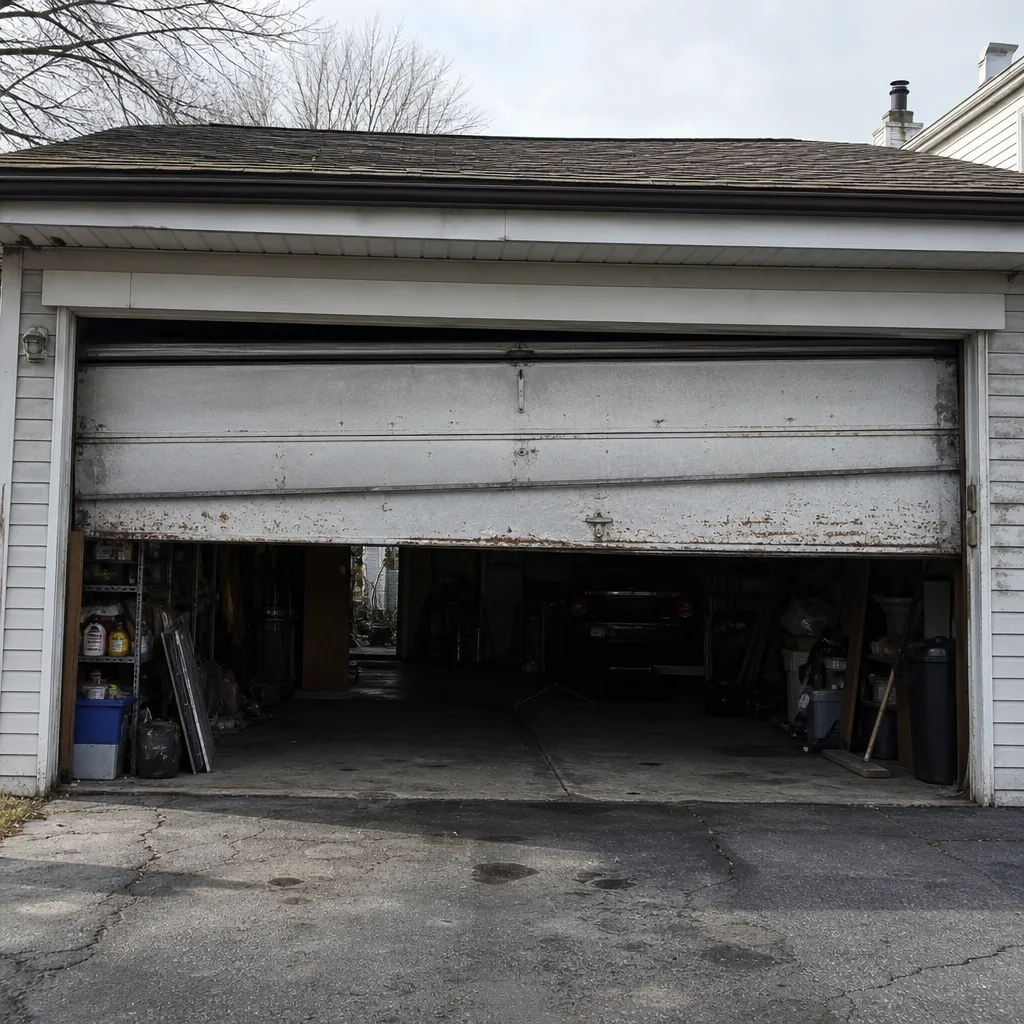 Before
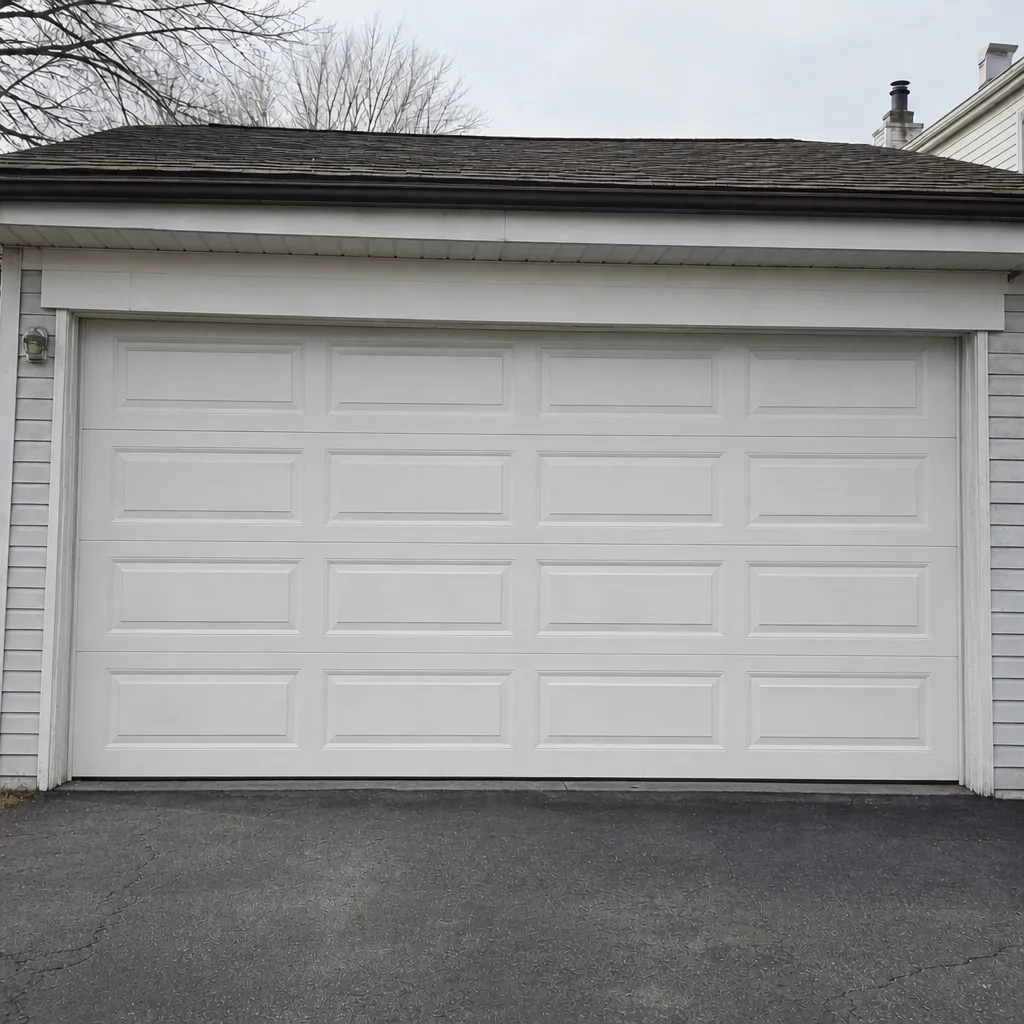 After