
Last updated November 23, 2026
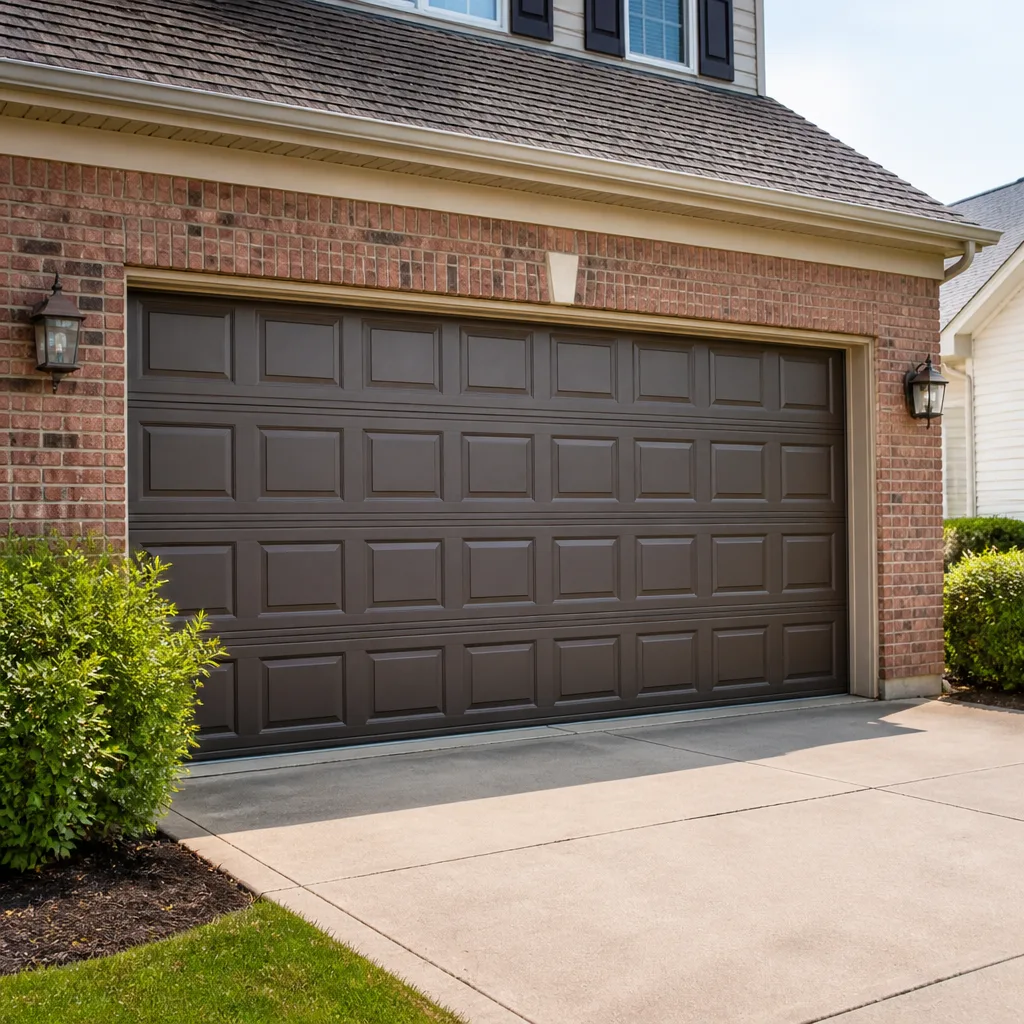 Raised-panel steel
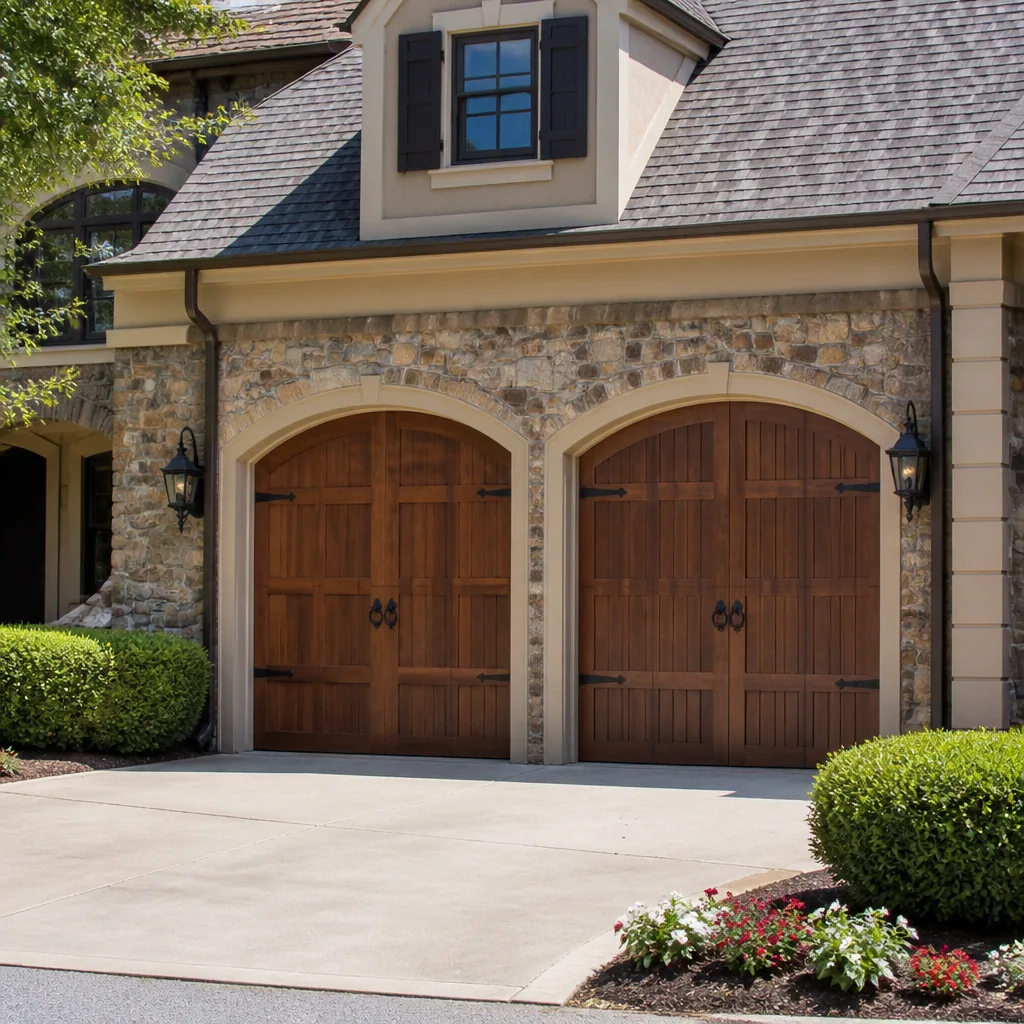 Carriage house
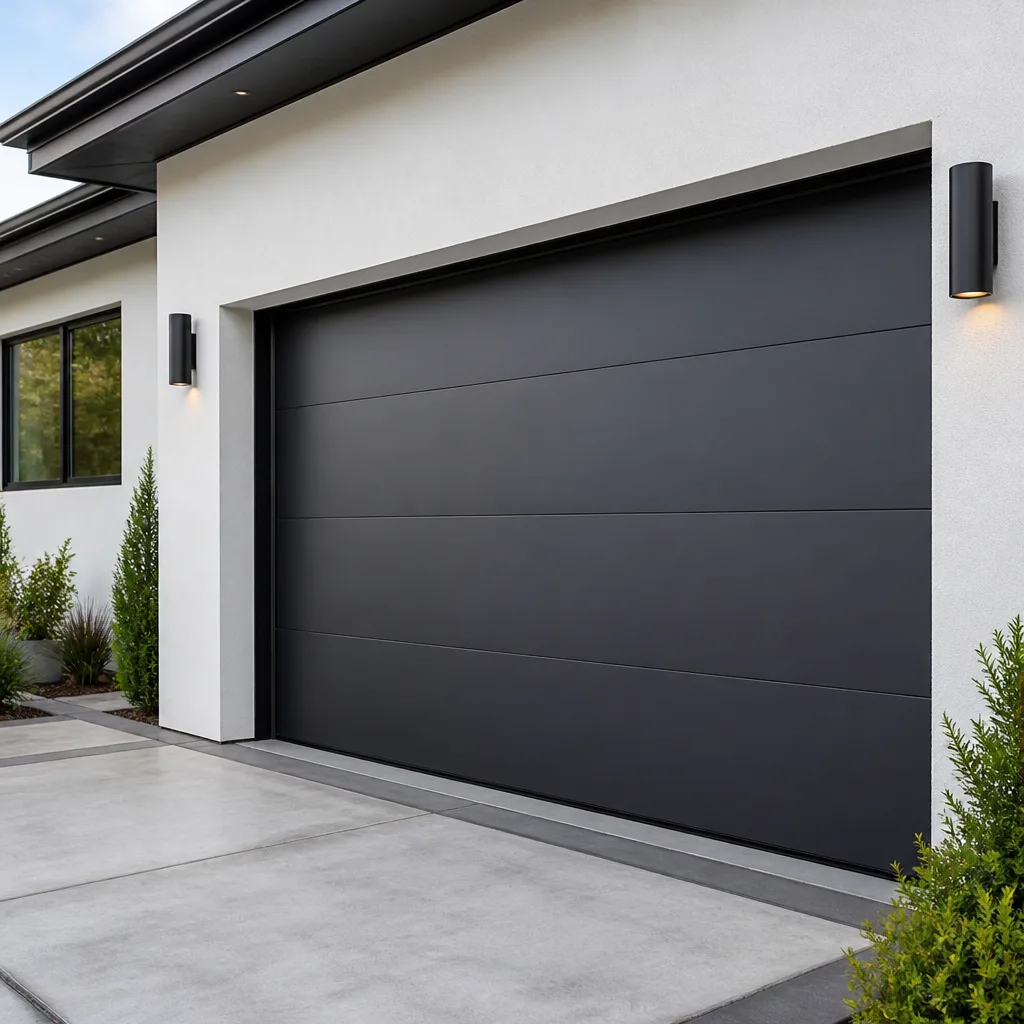 Modern flush
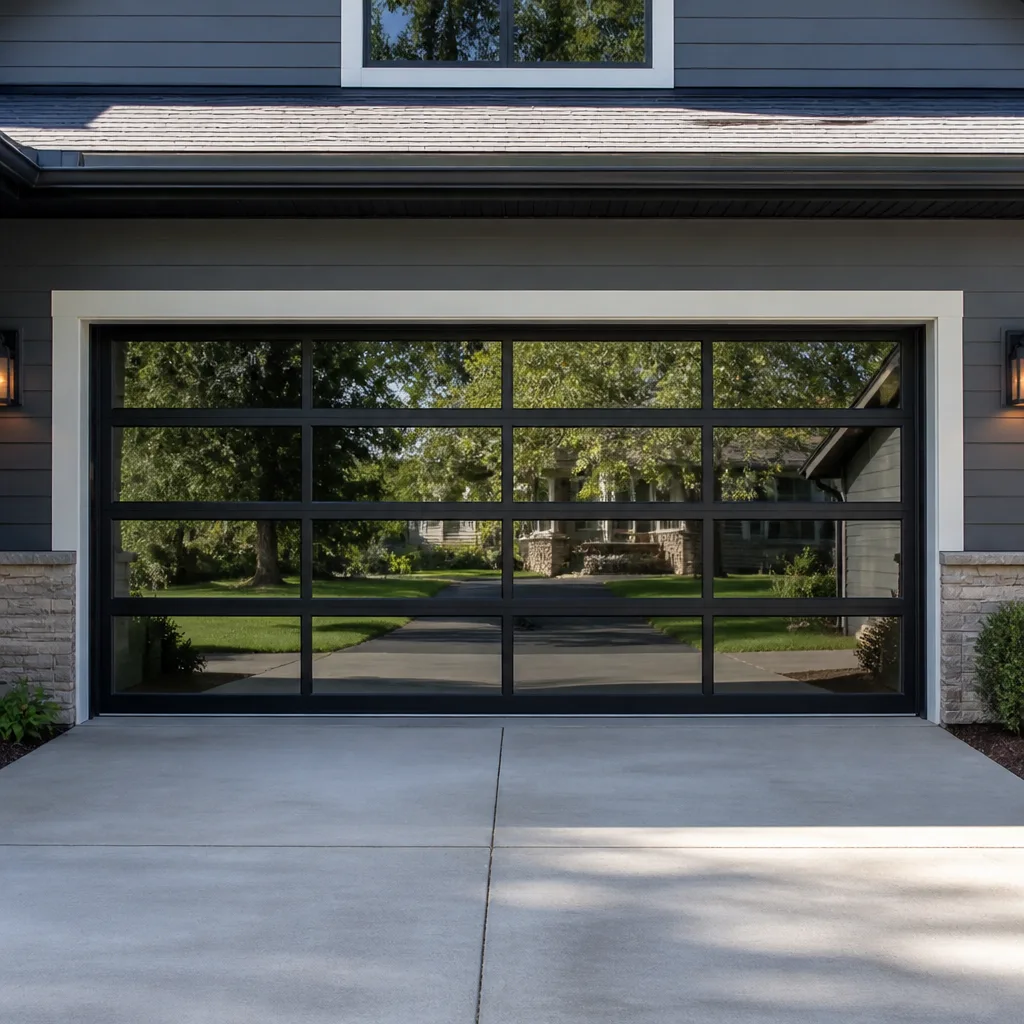 Full-view glass
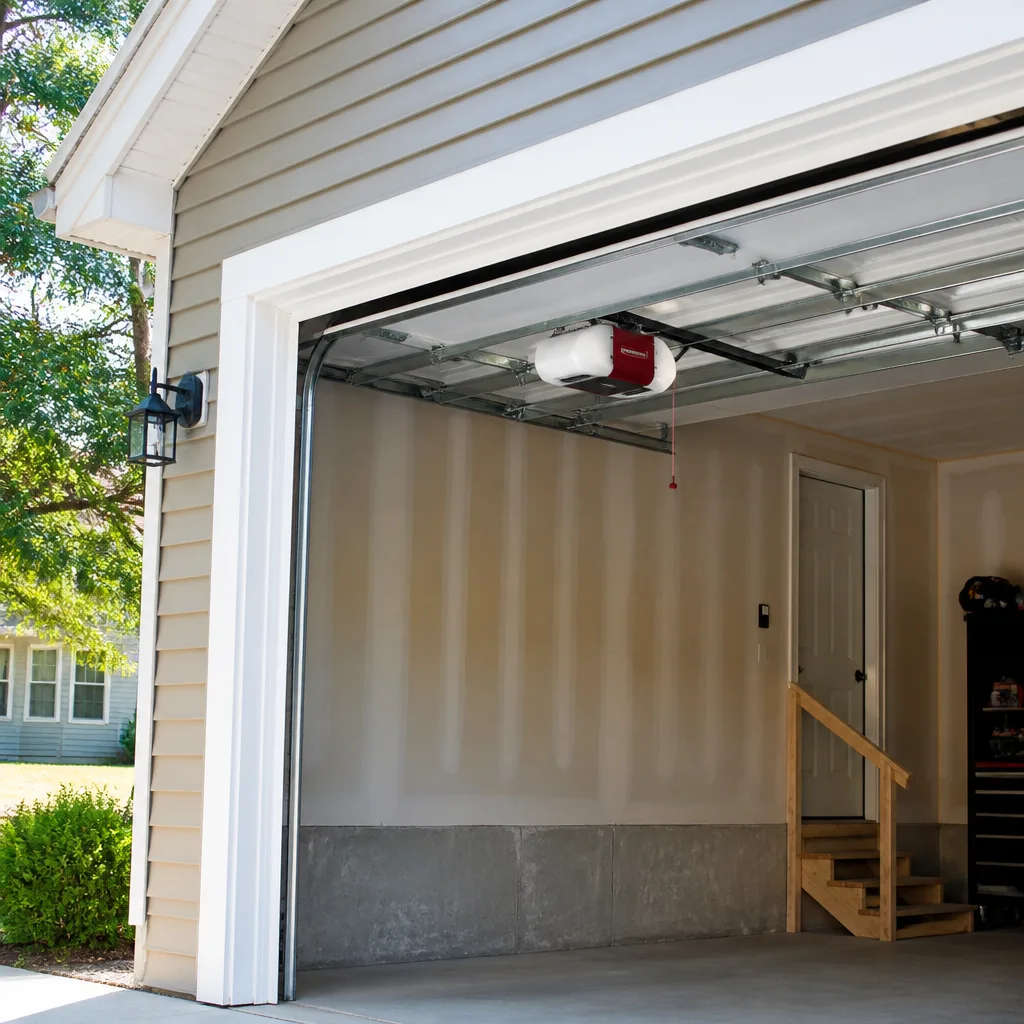 LiftMaster openers
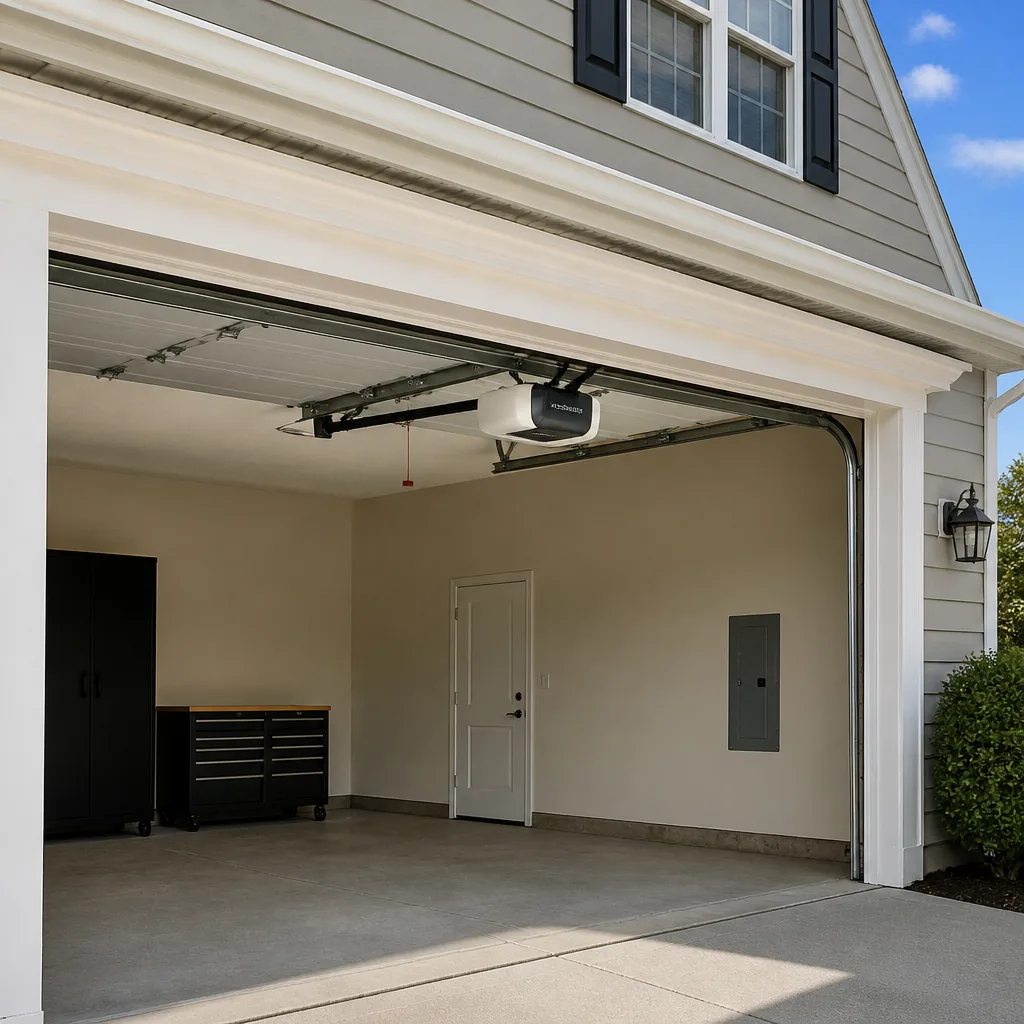 Chamberlain openers
Full 25-point door and opener safety check with every visit - springs, cables, rollers, tracks, and your LiftMaster or Chamberlain opener included
You get a price before we start. It does not change when the pro arrives.
Get your free estimateGarage Door Cost Breakdown: The Plainfield Homeowner’s Reference for 2026
Two quotes for what looks like the same garage door replacement can differ by $800 in Plainfield, and that gap is almost never someone trying to rip you off. It usually comes down to which springs they’re using, what grade of hardware goes on the door, and how the warranty is written. Most homeowners never see those differences because nobody explains what’s actually inside the quote. This guide walks through the line-item costs for the five most common garage door jobs in Plainfield, explains why torsion and extension springs price out differently, and shows you how to read a warranty clause before you sign anything.
Quick Answer
Garage door work in Plainfield in 2026 runs roughly $150-$400 for a spring replacement, $180-$450 for cable work, $280-$650 for an opener replacement, $250-$700 for a panel replacement, and $1,200-$4,500 for a full door installation, depending on door size, material, and hardware grade. A matched pair of springs costs about twice a single spring because both are usually replaced together. Every one of those ranges is an estimate; the written quote you receive after a measure sets the final price, and that price is agreed before any work starts.
Styles & brands we work with
- Raised-panel steel
- Carriage house
- Modern flush
- Full-view glass
- LiftMaster openers
- Chamberlain openers
Table of Contents
- Line-Item Cost Breakdown for the Five Most Common Jobs
- Why Spring Type Changes the Price and the Lifespan
- The Hidden Cost in Older Plainfield Homes: Non-Standard Header Heights
- Builder-Grade vs. Residential-Grade vs. Commercial-Grade Hardware
- How to Read a Warranty Clause in a Garage Door Quote
- How to Compare Two Quotes Line by Line
- What Plainfield Weather Does to Your Door
- Common Mistakes to Avoid
Line-Item Cost Breakdown for the Five Most Common Jobs
The five jobs below cover nearly everything a residential garage door needs. For each, we’ve split parts and labor so you can see where the money actually goes. Treat these as typical ranges for Plainfield and the surrounding neighborhoods, not as fixed prices. A written estimate after an in-person measure is what determines your final cost. The price is quoted and agreed before any work begins, so there are no surprises once the job starts.
| Job | Typical Parts | Typical Labor | Total Estimate |
|---|---|---|---|
| Spring replacement (one spring) | $60-$150 | $90-$250 | $150-$400 |
| Spring replacement (matched pair) | $120-$300 | $180-$500 | $300-$800 |
| Cable replacement | $40-$120 | $140-$330 | $180-$450 |
| Opener replacement | $160-$400 | $120-$250 | $280-$650 |
| Panel replacement | $150-$500 | $100-$200 | $250-$700 |
| Full door installation | $800-$3,200 | $400-$1,300 | $1,200-$4,500 |
A word on springs: the range above is for one spring. Most doors in Plainfield carry a matched pair, and they’re replaced together because the second spring is already near the end of its life when the first one fails. That means a pair costs about twice a single spring. A single-spring quote on a two-spring door is a red flag worth asking about.
For panel replacement, the parts price swings widely with material. A standard steel panel costs far less than a wood-grain or insulated panel of the same size, and color matching can push cost up on older doors where the original finish is no longer stocked. If your door carries a LiftMaster or Craftsman opener, the opener range above usually holds because those units are common and parts are easy to source.
Why Spring Type Changes the Price and the Lifespan
Torsion and extension springs are two different systems with different costs and very different cycle lives. Torsion springs mount horizontally above the door on a shaft and twist as the door opens and closes. Extension springs stretch along the horizontal tracks on either side. Torsion systems generally cost more upfront because they involve a shaft, drums, and more careful calibration, but they typically last longer and allow a safer, more balanced door motion. Extension springs usually cost less to install but come with shorter cycle life and require separate safety containment.
On the doors we see most often in Plainfield, torsion is the standard configuration on newer two-car garages, while extension springs show up regularly on older single-bay doors. If you’re replacing a spring, it’s worth asking what type is on your door before you compare quotes. A quote for extension springs will look cheaper than a torsion quote, but that comparison isn’t apples to apples if the door was built for torsion.
What a Cycle Rating Actually Means
Springs are rated in cycles, meaning one opening and one closing. A lower-rated spring costs less and wears out sooner; a higher-rated spring costs more and lasts longer. When you compare two spring quotes, ask each one what cycle rating the spring they’re installing carries. If one quote is significantly cheaper, the difference is often the spring’s rated life, not just the labor. This is one of the most useful questions you can ask, and it costs you nothing to ask it.
Safety First on Any Spring Job
Torsion springs and their cables are under extreme tension and can cause serious injury if handled without the right tools and training. Extension springs carry similar stored force and require safety cables as a backup if one breaks. We don’t recommend DIY spring work under any circumstances. This is a job for a trained technician with the correct winding bars and a safe procedure. It’s also why garage door spring repair is one of the jobs we treat as a specialty rather than a side task.
The Hidden Cost in Older Plainfield Homes: Non-Standard Header Heights
A lot of Plainfield’s older homes were built with garage openings that don’t match today’s standard header height. When a door is measured and the header turns out to be shorter or taller than the size of the replacement door, the installation needs custom track systems or adjustments that add $150-$400 to the quote. That’s not padding. It’s the real cost of making a standard door work in a space that wasn’t built for one.
How You Know This Applies to You
- The garage ceiling is low, or the door opening looks smaller than modern garages on the same block.
- The old door has visible track modifications, shims, or non-standard brackets from a previous install.
- The opener is mounted lower or further back than on newer homes.
- A previous installer mentioned the header needed work.
If any of those sound familiar, tell the installer before the measure so the quote reflects the real scope. We’ve learned in this market that a $150-$400 line item showing up after the fact feels like an upsell even when it’s legitimate. The better path is a free measure that catches it upfront. When you book a full replacement, ask for a measure and a written price rather than a same-day job; installation is measured and scheduled, not squeezed into a service call.
Builder-Grade vs. Residential-Grade vs. Commercial-Grade Hardware
What grade of hardware goes on your door has as much effect on what it costs and how long it lasts as the door itself. Here’s what the three common terms actually mean in price and lifespan terms.
- Builder-grade: The hardware most production-home builders install. It gets the door up and down at the lowest upfront cost, but rollers, hinges, and springs wear out faster. If you’re in a home built in the last fifteen to twenty years and the hardware is original, this is likely what’s on the door.
- Residential-grade: Upgraded rollers, sealed bearings, heavier hinges, and springs with a higher cycle rating. Costs more upfront, holds up longer, and runs quieter. This is what we generally recommend for a door that gets used twice a day or more.
- Commercial-grade: Built for doors that cycle dozens of times a day. Heavier gauge steel, higher-cycle springs, and thicker track.
The price gap between builder-grade and residential-grade hardware is usually modest compared to the cost difference over ten years. A builder-grade roller that fails early and gets replaced costs more in the long run than a residential-grade roller that doesn’t. When you’re comparing quotes, ask what grade of hinges and rollers each one includes. That’s the line where two quotes that look the same suddenly aren’t.
How to Read a Warranty Clause in a Garage Door Quote
A parts-only warranty covers the part but not the labor to replace it. A full-system labor warranty covers both. In a garage door quote, the difference matters most in year two or three, when a part fails and you find out whether the replacement labor is on you or on the installer. Parts-only looks cheaper on the quote. Full-system labor warranty costs more upfront and costs you nothing if something fails.
Three Warranty Clauses to Look For
- Parts warranty length and exclusions. Does it cover the spring, the opener, the hardware, or only selected components? Note what voids it, such as unlicensed repairs or commercial use.
- Labor warranty period. Some jobs carry a labor warranty as short as 30 days. Ask what the labor warranty is for the specific job you’re buying.
- Full-system warranty. This is the one that protects the whole assembly, not just individual parts. If it’s offered, read exactly what triggers it and what the install requirements are.
Warranty terms are one of the reasons two quotes for the same door differ by hundreds of dollars. Nobody is trying to hide it. It just doesn’t come up unless you ask. Ask, and write the answer into the quote comparison. We work on the brand already in your garage, including Wayne Dalton, Raynor, and LiftMaster, so if you’re not sure what’s covered, we can walk you through what a typical warranty covers for that system.
How to Compare Two Quotes Line by Line
Comparing two garage door quotes is much easier when you break each one down into the same categories. Use this list to line them up side by side:
- Spring or hardware cycle rating (the number, not just “new hardware”)
- Hardware grade (builder, residential, commercial)
- Door brand and model number
- Opener brand and model number
- Any track or header modifications needed
- Warranty: parts term, labor term, full-system or not
- Whether the old door and track are removed and hauled away
- Whether the written price is final before work begins
When someone quotes a job, the number that matters is the written price you agree to before any work starts. If a quote is verbal or leaves out a cycle rating or warranty term, ask. A written estimate protects you and clarifies scope. If you’re weighing whether the job you need is a repair or a new installation, our garage door repair team can walk you through the tradeoffs, and that’s a conversation, not a sales pitch.
What Plainfield Weather Does to Your Door
Plainfield’s cold winters, summer humidity, and seasonal temperature swings put real stress on garage door components. Springs expand and contract with temperature, which means the tension that runs the door is never quite fixed across the calendar year. Metal panels expand slightly in summer heat and contract in winter cold, and over years that flexing can loosen fasteners and warp panel edges. Humidity works on wood components and painted steel alike, and hardware with lower corrosion resistance shows wear sooner.
What that means for cost is simple. Doors that get annual or near-annual spring and hardware checks tend to get caught before a small issue turns into a paired spring replacement or track repair. A garage door opener that’s been binding slightly in cold weather usually needs a basic adjustment, not a new unit, if it’s caught early. When an opener does fail, our garage door opener repair team sees a lot of units that could have been saved by checking the balance of the door first.
Common Mistakes to Avoid
- Comparing one spring quote to a pair quote. If your door carries two springs and one quote is for a single spring, the cheaper number is not a like-for-like comparison. Always ask whether the quote replaces one spring or a matched pair.
- Choosing the cheapest quote without checking the hardware grade. A quote with builder-grade rollers and a lower-cycle spring costs less now and more later. Ask what grade goes into the door.
- Ignoring a missing labor warranty. Parts-only coverage looks the same on day one and very different in year two. Confirm the labor term in writing.
- Skipping a free measure for a replacement. For a new door, ask for a measure and a written price. A quote without a measure can miss header modifications, which is where that $150-$400 surprise comes from in older Plainfield homes.
- Assuming your opener needs replacing when the door is binding. A door that binds and stutters in cold weather often needs a balance or hardware fix, not a new opener. Have the door checked first.
- Missing a non-standard header until the install day. If your garage looks older or the ceiling is low, tell the installer before the measure so the quote reflects custom track or adjustment work.
- Attempting spring or cable work yourself. Springs and cables are under extreme tension. This is a professional job, and cutting corners on it risks serious injury.
See the difference
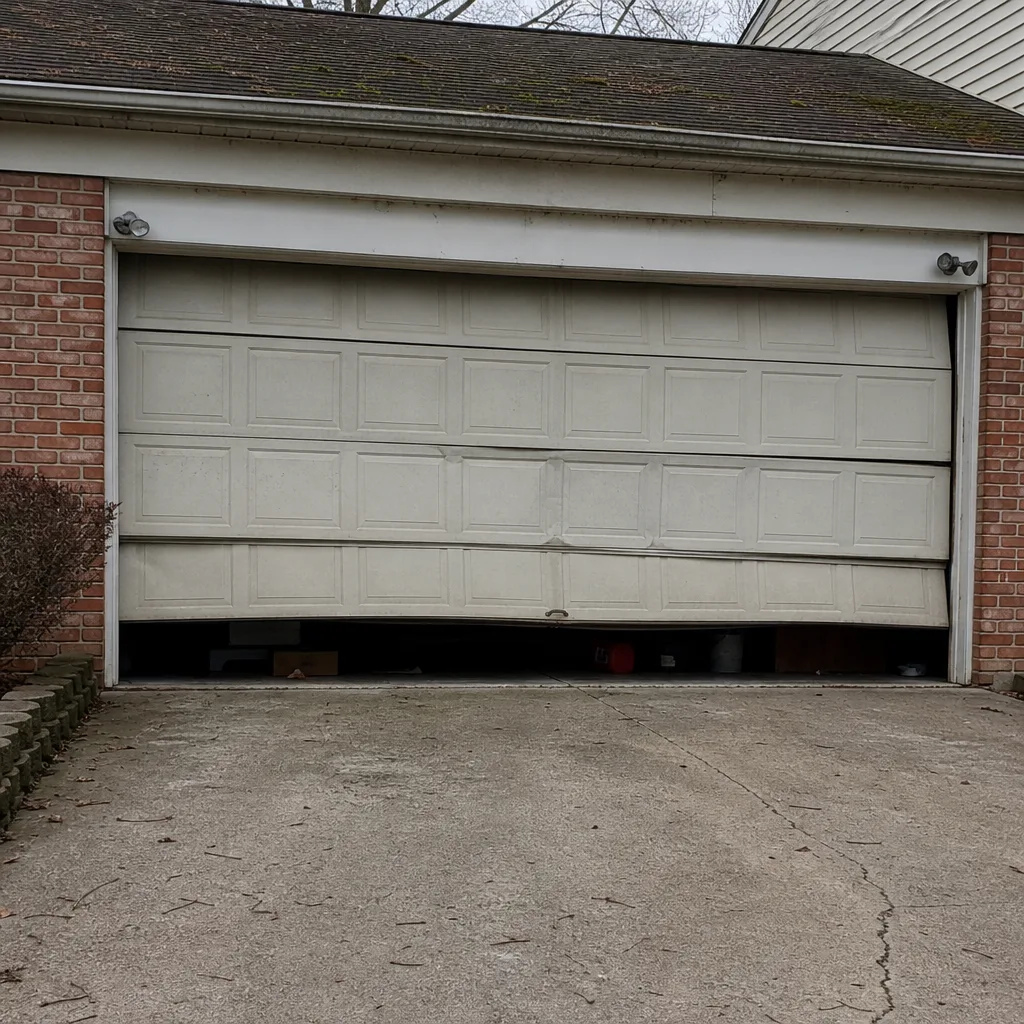 Before
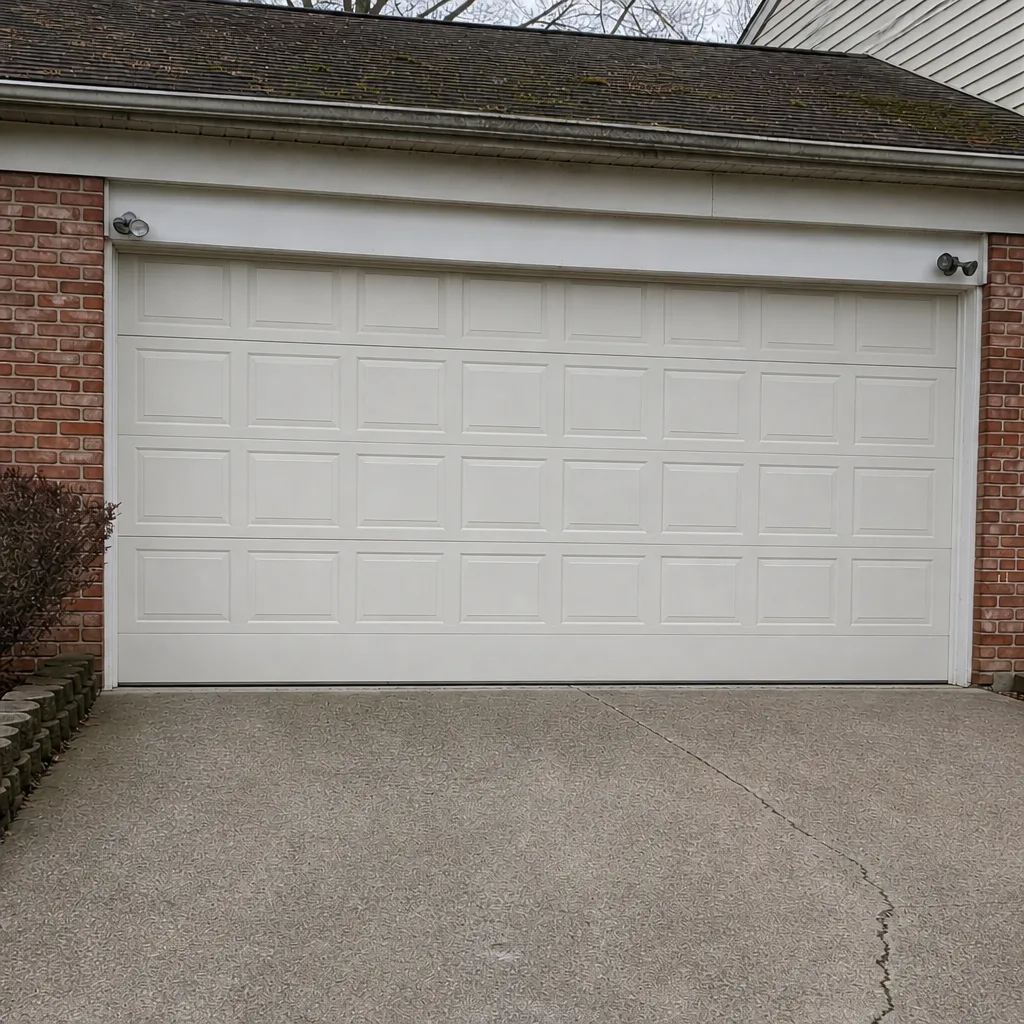 After
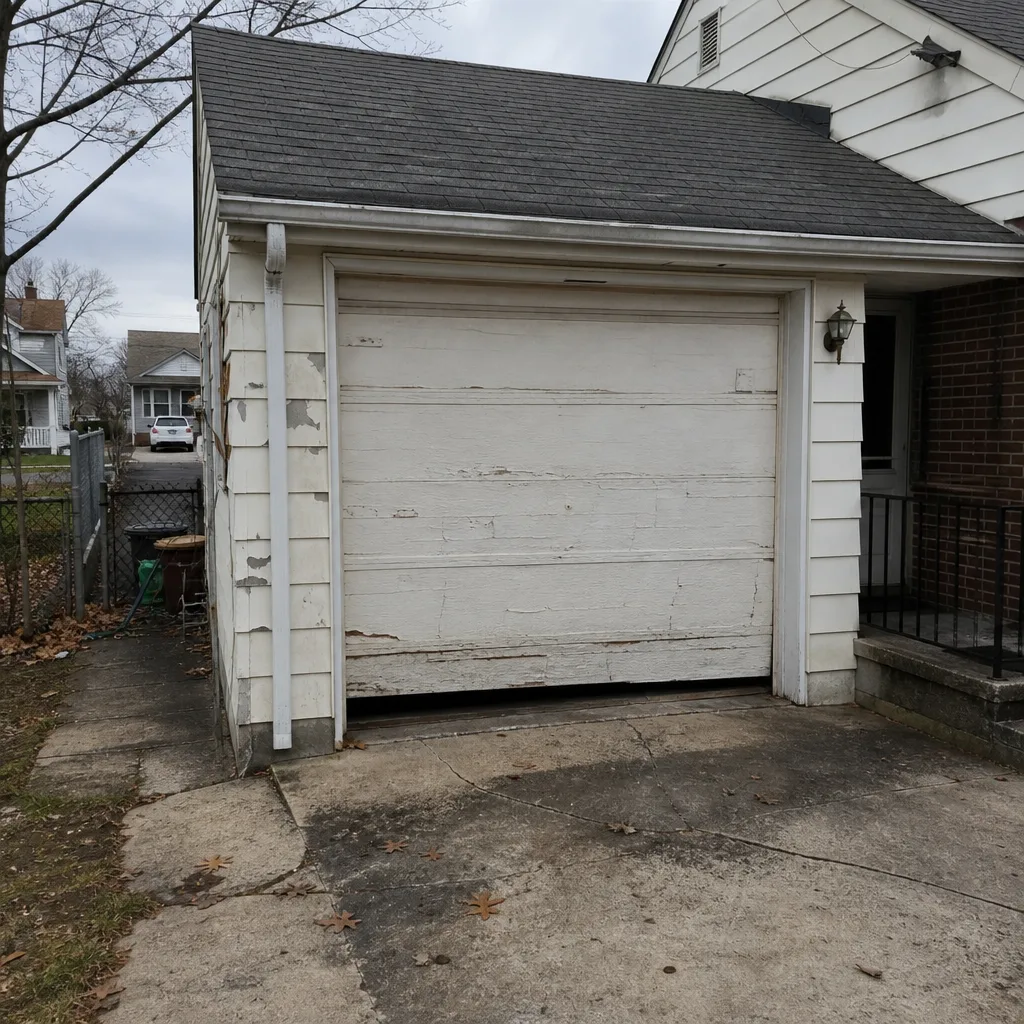 Before
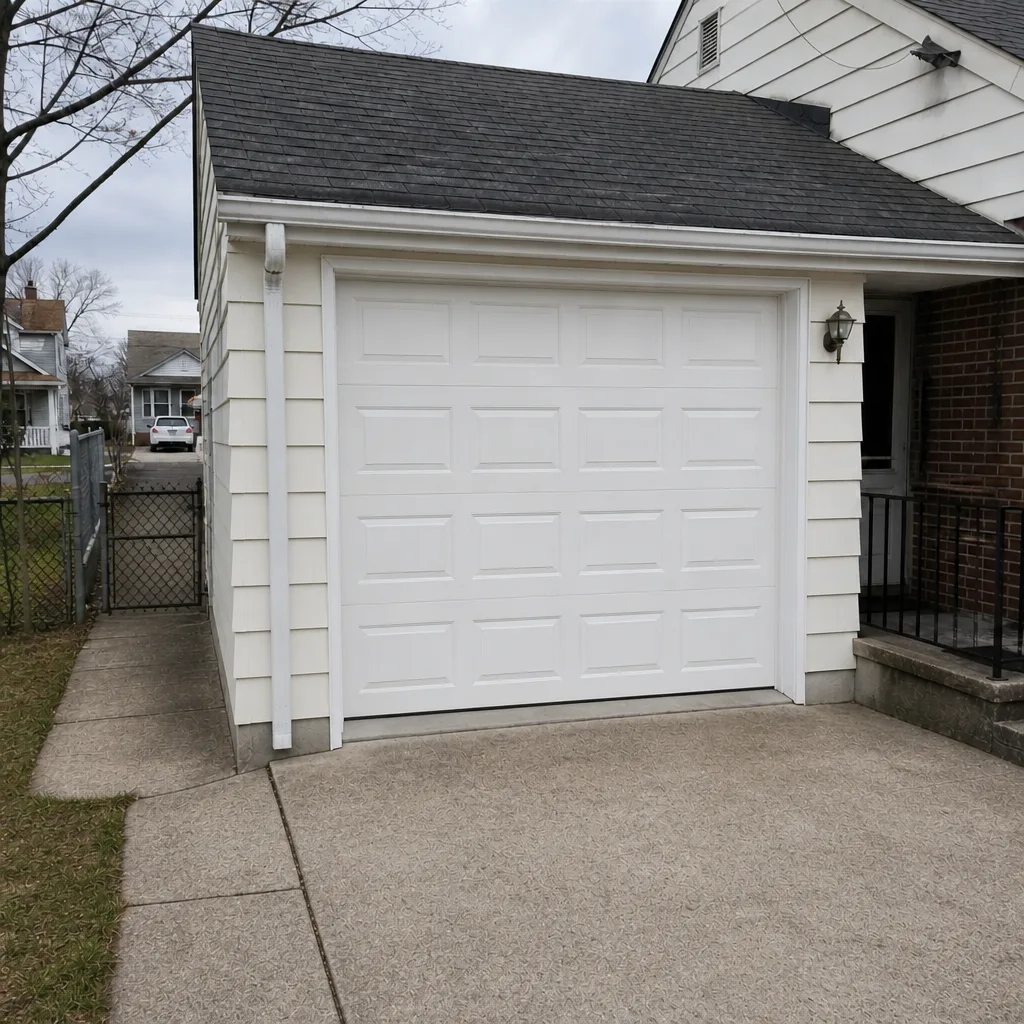 After
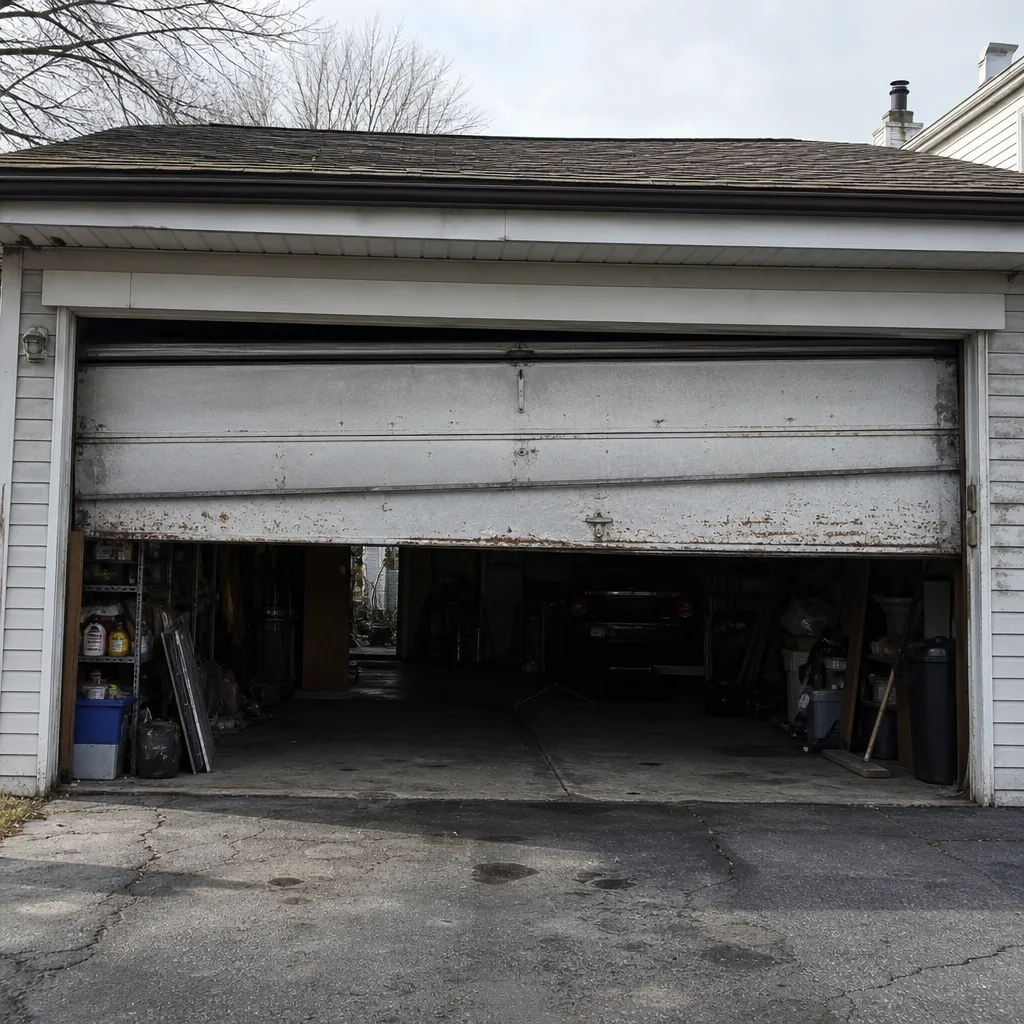 Before
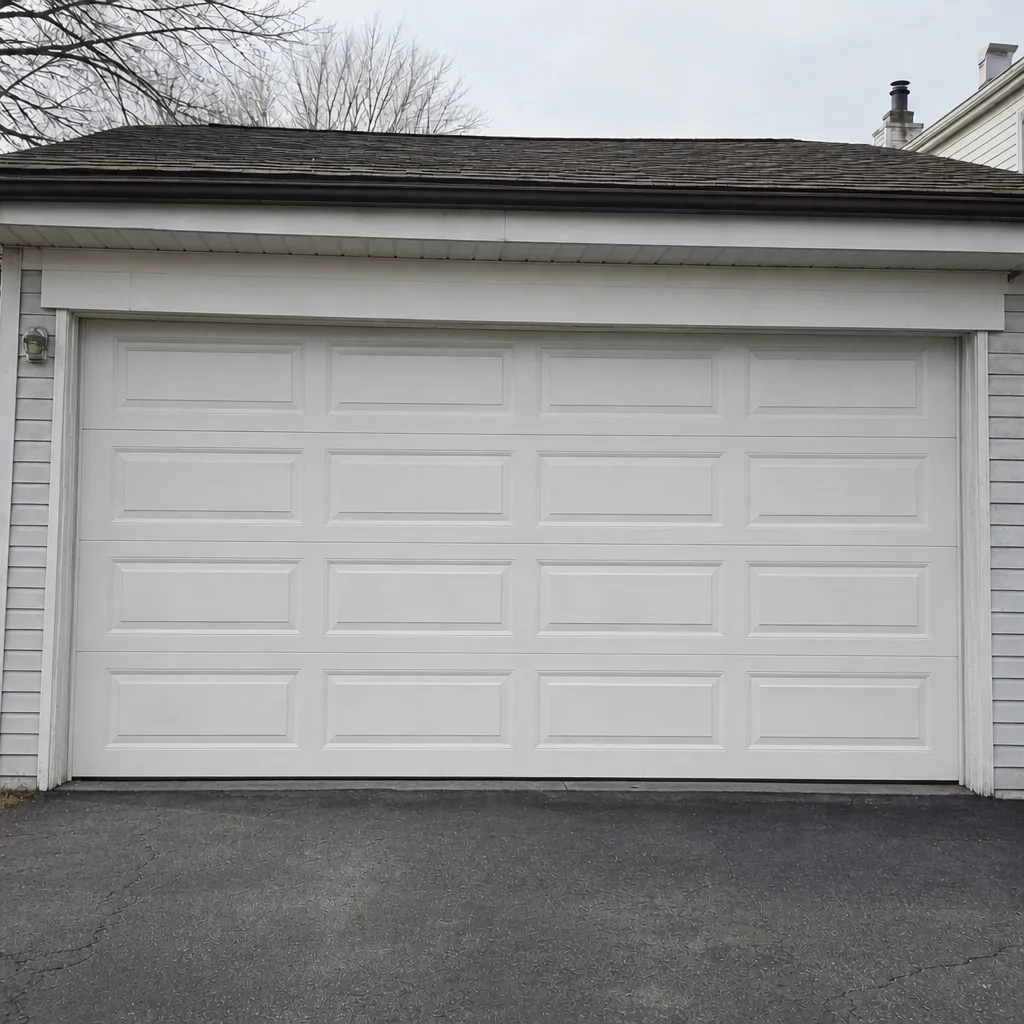 After
When to Call a Professional
Call a professional for any of the following: a snapped spring, a door that won’t come up or open fully, a cable that’s loose, frayed, or off its drum, a door that’s off its tracks, an opener that runs but doesn’t move the door, visible panel damage, or a brand-new measurement for a replacement. These are not jobs for DIY weekend attempts, especially springs and cables. If your door fails on a day we’re closed, call and we’ll book you into the next opening. We answer 24/7. Fast dispatch from 7am to 7pm, Sunday through Friday. Our technicians have up to 15 years of experience, and we handle everything from opener glitches to full replacements. Plainfield Garage Door Repair Pros offers free estimates in Plainfield. Call (877) 492-3251.
Frequently Asked Questions
Full garage door installation in Plainfield typically runs $1,200-$4,500, with the range driven by door size, material, opener choice, and any custom track work. Older homes with non-standard header heights can add $150-$400. The written estimate after a free measure sets your final price. Call (877) 492-3251 for an exact quote; estimates are free.
Because the two quotes usually aren’t for the same job, even when the door model matches. The difference is usually in spring type and cycle rating, hardware grade, and whether the warranty covers parts only or parts and labor. Comparing those items line by line usually explains the gap. If a quote leaves any of them out, ask.
Yes, torsion springs typically cost more upfront because the system involves a shaft, drums, and more precise calibration. They generally last longer and give a more balanced door motion. Extension springs cost less to install, but they carry shorter cycle life and need separate safety containment. Most newer two-car doors in Plainfield run torsion.
A parts-only warranty covers the part but not the labor to replace it. A full-system labor warranty covers both, so if a component fails in year two, the replacement labor is covered. Parts-only looks cheaper on the quote and often costs more when something fails. Ask for the labor term in writing.
Older Plainfield homes often have garage openings that don’t match today’s standard header height. When a measurement shows the header is shorter or taller than the replacement door’s opening, the installer needs to adjust the track or mount to make the door fit correctly. That adds $150-$400 to the total, and it’s a real cost, not padding. A free measure catches it before the quote is written.
Same-day service is available for repairs, and we do our best to get out the same day when you call early. Fast dispatch from 7am to 7pm, Sunday through Friday. We answer 24/7. The price for the repair is set by the written estimate and agreed before any work starts. Call (877) 492-3251.
The local professionals we connect you with are licensed and insured as their state requires, and they specialize in garage doors only. Our technicians have up to 15 years of experience across Wayne Dalton, Raynor, LiftMaster, and other major brands. Call (877) 492-3251 for an exact quote.
The Bottom Line
The price gap between quotes in Plainfield comes down to a handful of items the industry doesn’t always explain: spring type and cycle rating, hardware grade, any custom track or header work, and how the warranty is written. Every number in this guide is a typical estimate. The written quote you agree to before work begins is what sets your actual price. When you compare quotes, compare the same items. When you book a replacement, ask for a free measure and a written price. When a spring breaks or an opener dies, call. Fast dispatch from 7am to 7pm, Sunday through Friday, and we answer 24/7.
Plainfield Garage Door Repair Pros specializes in garage doors only. From opener glitches to full replacements, we fix the right thing the first time. Call (877) 492-3251 for a free estimate in Plainfield. Our technicians have up to 15 years of experience, and we work on the brand already in your garage.
Written by the team at Plainfield Garage Door Repair Pros.