
Last updated November 23, 2026
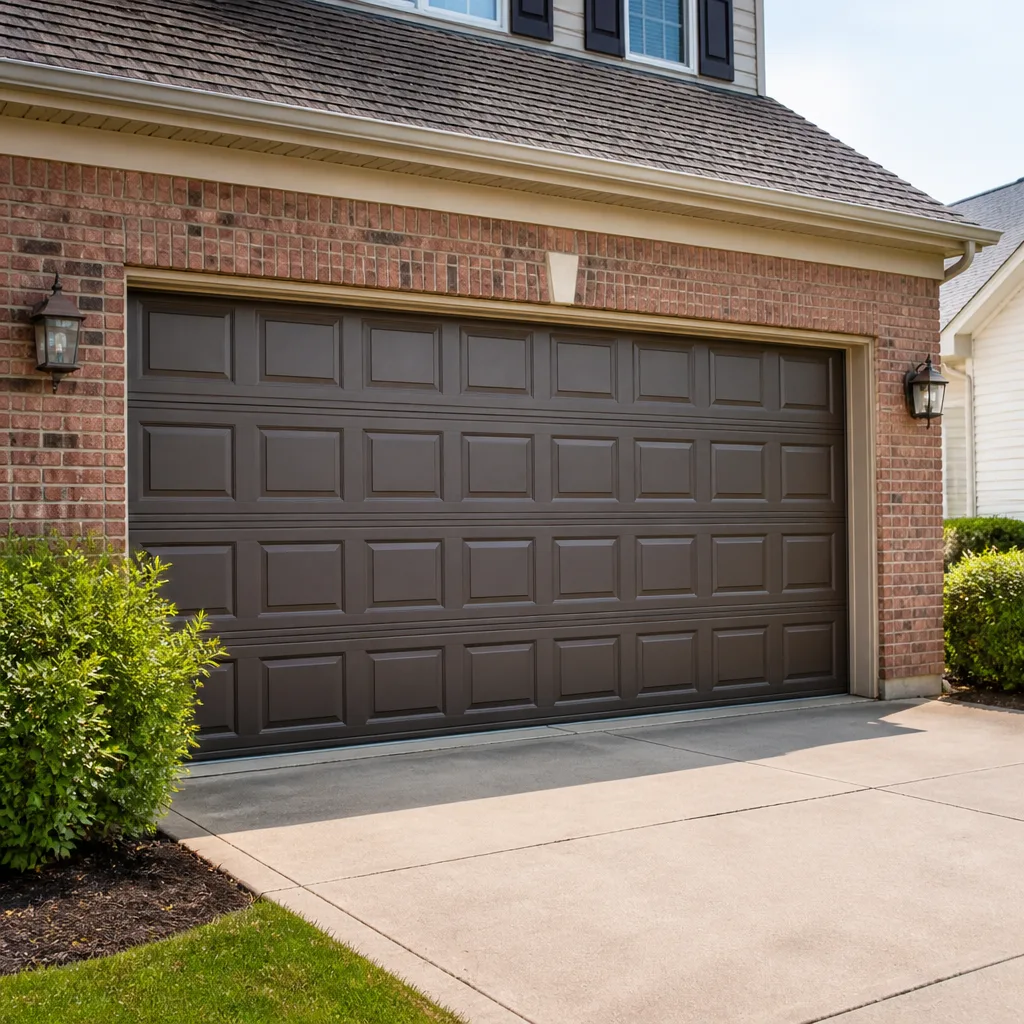 Raised-panel steel
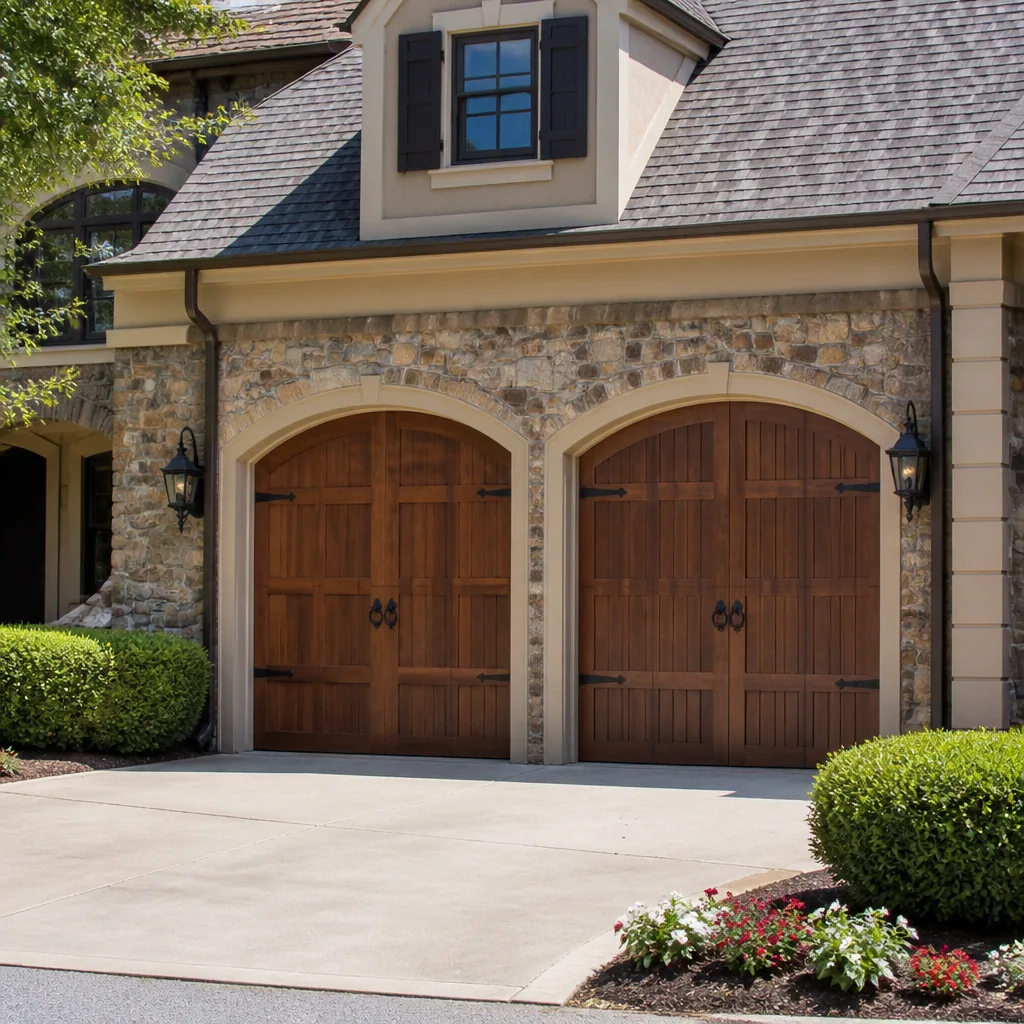 Carriage house
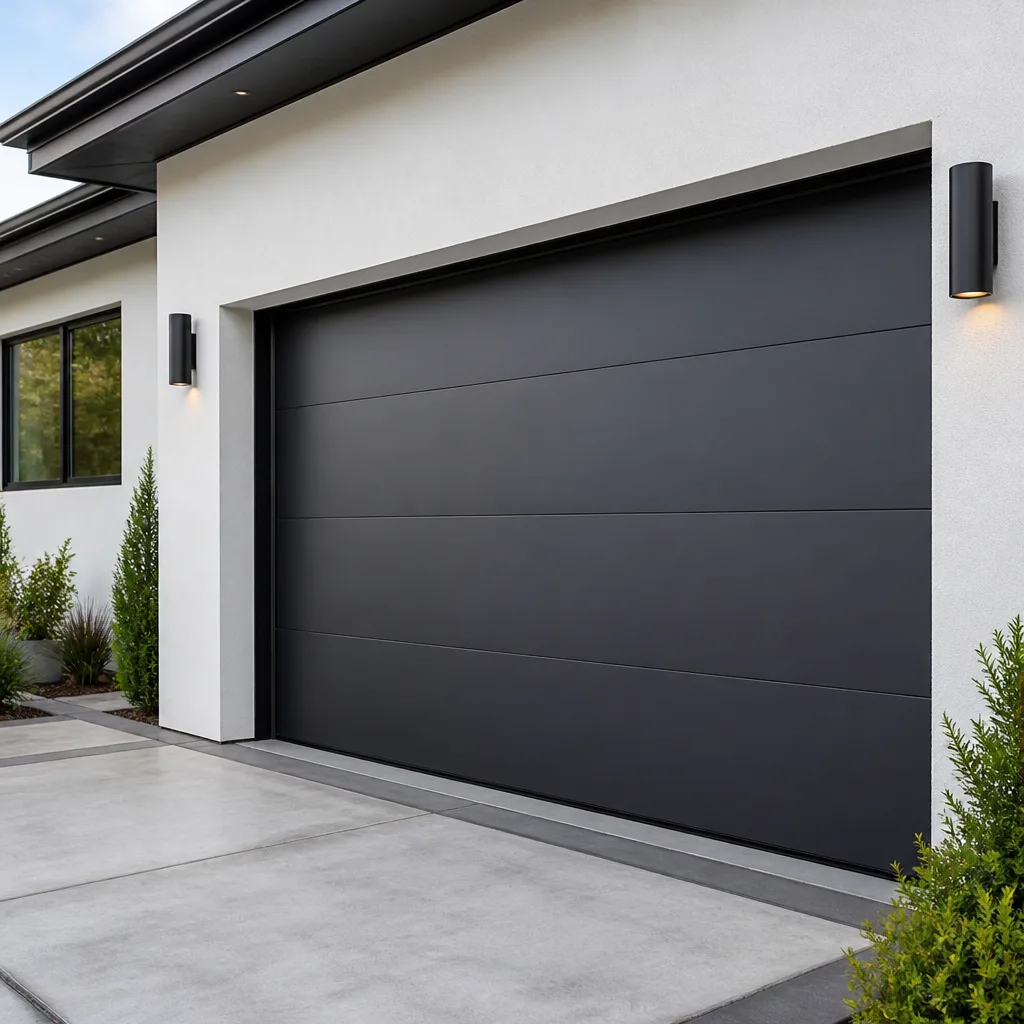 Modern flush
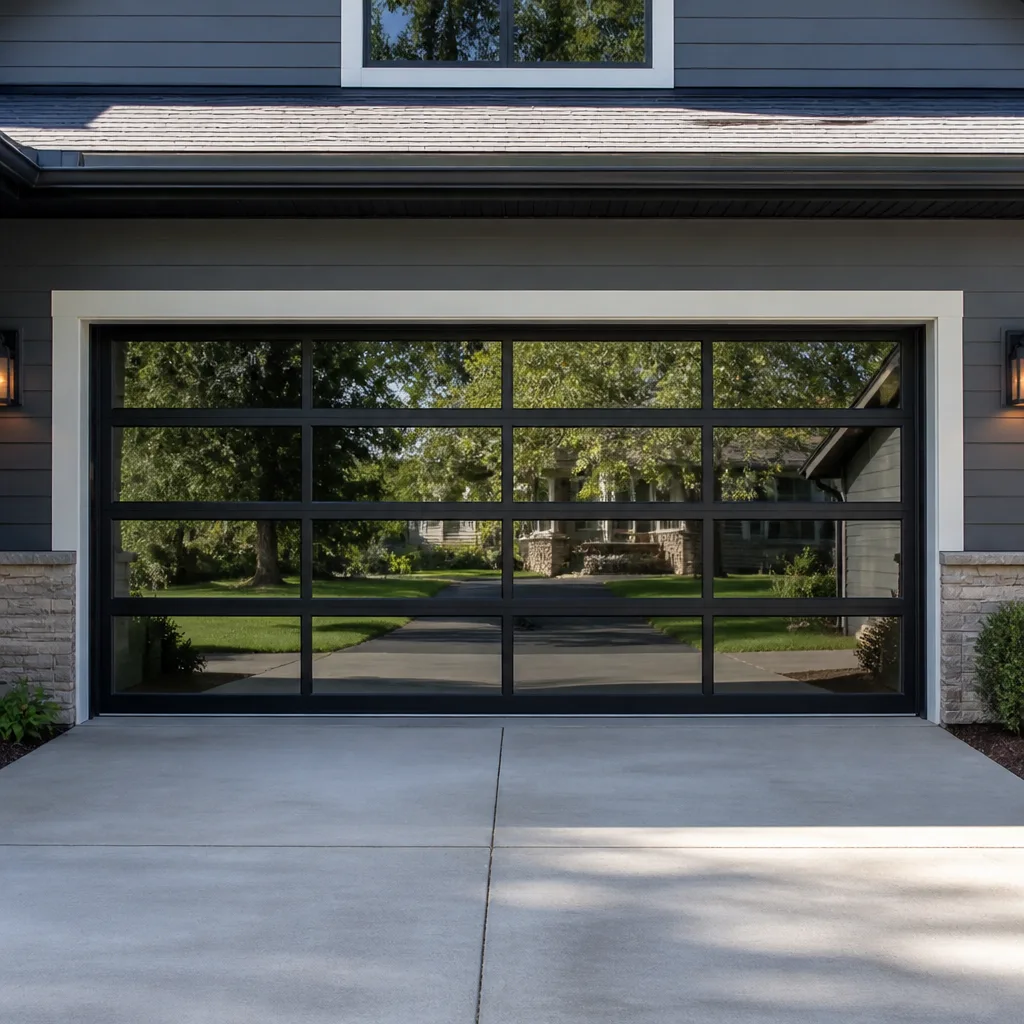 Full-view glass
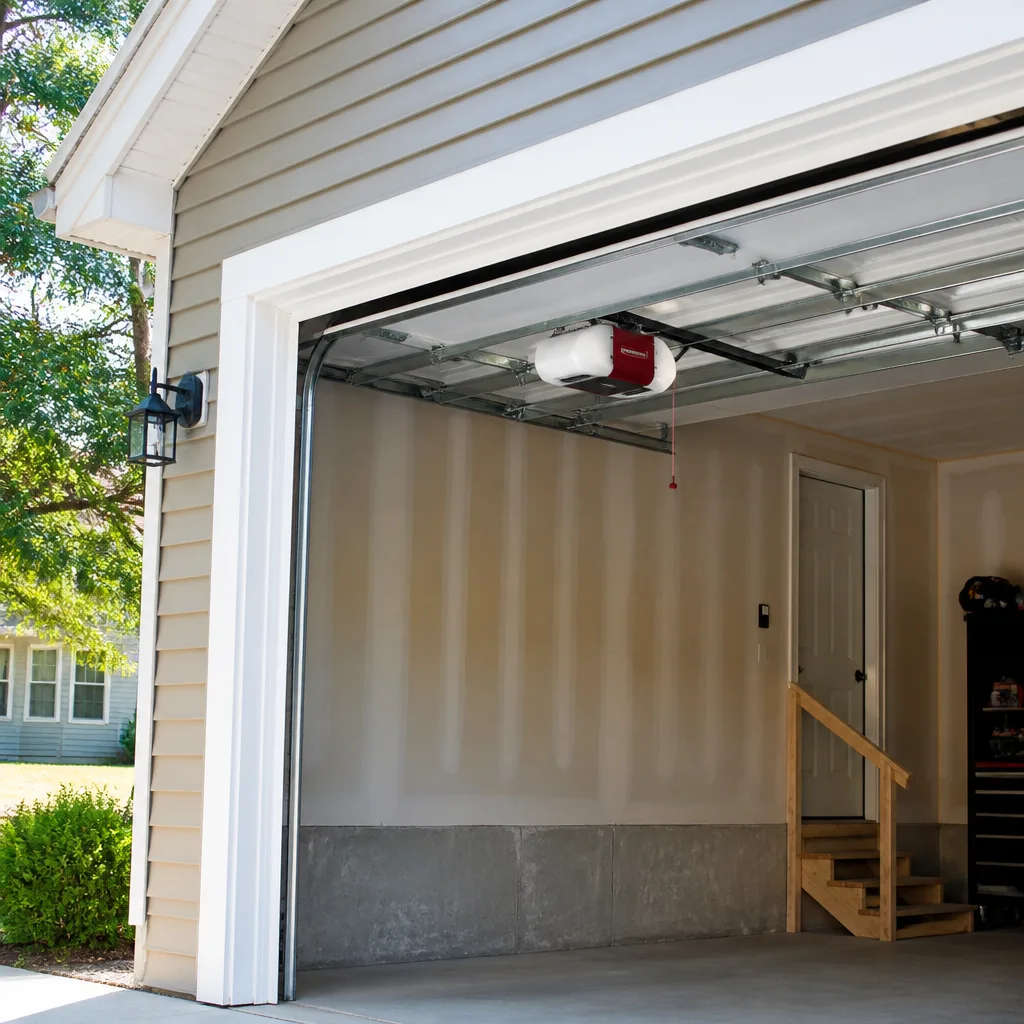 LiftMaster openers
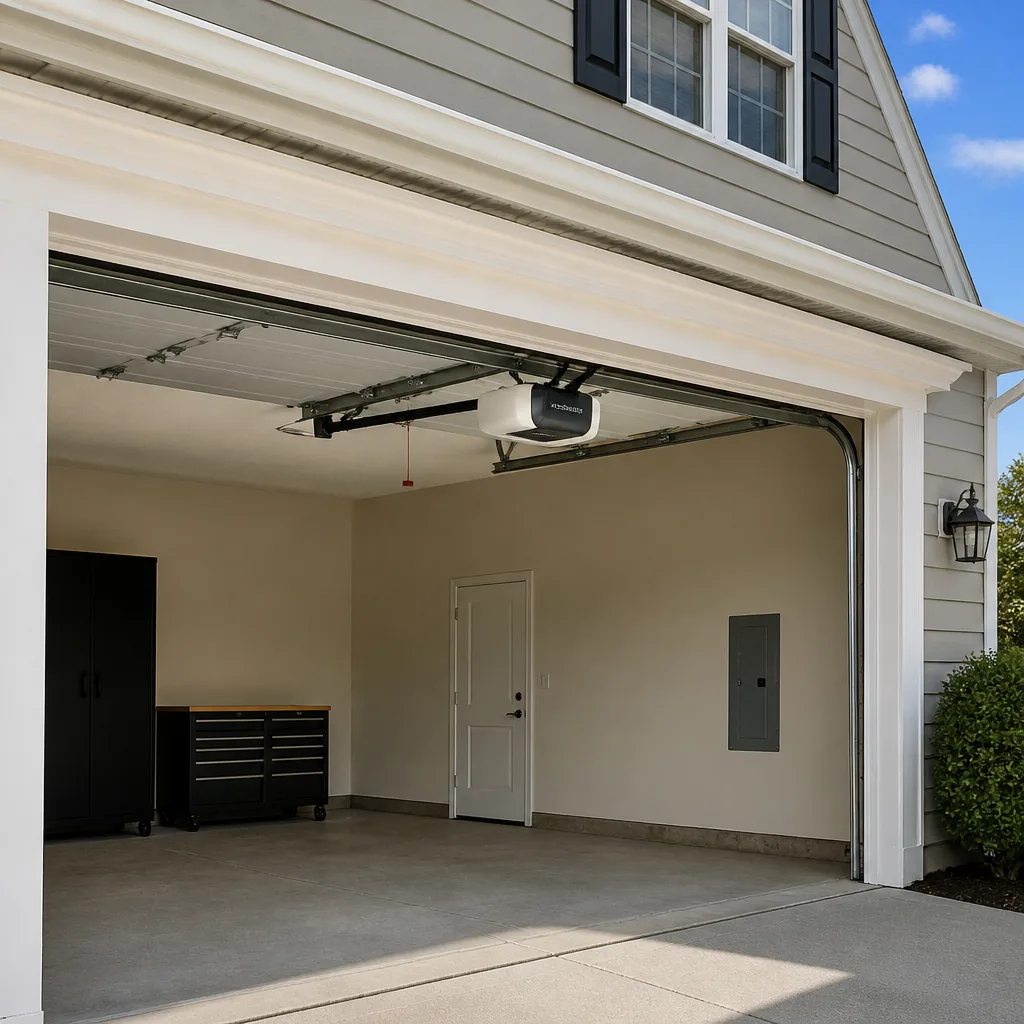 Chamberlain openers
Full 25-point door and opener safety check with every visit - springs, cables, rollers, tracks, and your LiftMaster or Chamberlain opener included
You get a price before we start. It does not change when the pro arrives.
Get your free estimateHow to Hire a Garage Door Contractor in Plainfield: A Step-by-Step Guide
Most Plainfield homeowners hire a garage door contractor the same way they’d hire a painter: call the first name that comes up, ask what it costs, and book it. That approach works fine for repainting a hallway. It fails badly on a garage door. The single most revealing question you can ask a contractor before they ever set foot on your property has nothing to do with price. It’s this: “Do you carry replacement springs for my door size on the truck today?” The answer tells you whether you’re talking to a specialist or a generalist who’ll be making a second trip. This guide walks you through how to screen, compare, and hire a garage door contractor in Plainfield the right way, step by step.
Quick Answer
To hire a garage door contractor in Plainfield, verify their license, insurance, and local address first, then ask whether they handle garage doors exclusively (not as one of many trades), ask how they source parts and whether they can complete a standard repair in one visit, and insist on a written, itemized quote before any work starts. A legitimate specialist will welcome every one of those questions. A generalist will dodge at least one.
Styles & brands we work with
- Raised-panel steel
- Carriage house
- Modern flush
- Full-view glass
- LiftMaster openers
- Chamberlain openers
Table of Contents
- The Five Contractor Red Flags Every Plainfield Homeowner Should Know
- How to Test Whether a Contractor Is a True Garage Door Specialist
- Why Plainfield’s Older Housing Stock Changes the Hiring Calculation
- How to Read a Garage Door Quote: Itemized vs. Flat-Rate
- How to Verify Same-Day Service Before You Book
- The Questions to Ask Before You Sign Anything
- Why Brand Fluency Matters When You Hire
- What a Safe, Professional Garage Door Job Actually Looks Like
The Five Contractor Red Flags Every Plainfield Homeowner Should Know
New Jersey’s home services market is crowded, and garage doors attract more than their share of generalists who’ll take the job and figure it out on your driveway. Five warning signs come up again and again when we talk to homeowners in Plainfield who’ve gotten burned or nearly did.
- No physical address you can verify. A contractor who operates from a phone number and a website with no address, or an address that turns out to be a mailbox service, is a contractor you can’t hold accountable. Ask for their business address and confirm it exists before you book. A real local operation is easy to find.
- No NJ Home Improvement Contractor (HIC) license number on the estimate. New Jersey requires home improvement contractors to be registered, and that number should appear on the written quote and any contract. Ask for it, then look it up through the state’s Division of Consumer Affairs database. If they hesitate or change the subject, that’s your answer.
- No certificate of insurance naming your address. Liability coverage protects you if something goes wrong on your property. A legitimate contractor can produce a certificate of insurance that names your address and coverage dates. Don’t accept “we’re fully insured” as an answer. Ask for the document.
- Estimates given over the phone with no look at the door. Garage door pricing depends on door size, spring type, opener model, and track condition. A number quoted sight-unseen is either a guess or a lowball that gets revised once the truck arrives. A real specialist wants to see the door first, or at least wants detailed photos and measurements.
- Flat-rate pricing that never itemizes parts. A single round number for “the whole job” makes it impossible to know what you’re paying for and gives the contractor room to substitute a cheaper part without telling you. Itemized quotes separate parts and labor, which protects you when a spring or opener costs more than expected.
None of these alone guarantees a bad contractor, but two or more together should end the conversation. In our experience, the homeowners who ask these questions first end up with a better outcome and fewer repeat calls.
How to Test Whether a Contractor Is a True Garage Door Specialist
A generalist handyman or a big-box installer can hang a door. A garage door specialist can diagnose why your door is failing and fix it correctly the first time. The difference shows up in how they describe their own business.
Ask directly: “What percentage of your work is garage doors?” A specialist will say something close to all of it. A generalist will say “we do a bit of everything” and list the trades they cover. That list is the tell. A company that also does HVAC, plumbing, fencing, or deck work is splitting its attention and its tooling across trades that share almost nothing with garage doors. When your opener’s logic board acts up or your door starts binding on one side, that breadth becomes a liability. The specialist has seen the failure pattern dozens of times and knows the exact part to swap. The generalist is guessing and hoping.
Here’s the practical test:
- Ask about spring types by name. A specialist will distinguish torsion and extension springs on the spot and know which spring size your door needs. A generalist will usually say “we’ll look at it when we get there.”
- Ask what brands they service. Look for specific brand names. A short, confident list suggests real fluency. A vague “we work on everything” suggests the opposite.
- Ask how they handle a door that won’t open. A specialist will ask what the door does, whether the opener light blinks, whether the door moves by hand, and about smells or noises. A generalist schedules a visit and figures it out later.
For Plainfield homeowners, the specialist screen is worth the extra five minutes on the phone. It saves the diagnostic visit that goes nowhere.
Why Plainfield’s Older Housing Stock Changes the Hiring Calculation
Plainfield has a lot of homes built before 1985, and that matters more than most hiring guides let on. Older garages often have non-standard header clearances, meaning the distance between the door opening and the ceiling above the door wasn’t built to modern dimensions. That clearance shapes what door and opener combinations will actually fit, and whether a replacement can reuse existing track or needs a full rework.
A contractor who only installs doors in newer construction will get surprised by this. An experienced specialist won’t. When you’re vetting a Plainfield contractor, ask this question: “Have you done garage door work on older homes in Plainfield, and can you give me references from jobs on homes built before 1985?”
The follow-up matters as much as the question. A specialist will have those references ready and be happy to share them. A generalist will either have none or produce a few from jobs that turn out to be on newer homes. That’s not dishonesty by default, but it does tell you the contractor lacks the specific experience your property needs.
Older housing also means more variation in door size, framing, and how previous owners have patched and modified things. Nothing about a pre-1985 garage is predictable until you’ve seen it. The right specialist brings a measuring tape, a notepad, and the experience to know what to look for. For door replacement, a free measure and a written price are standard before any work is scheduled. That measure is where a Plainfield specialist earns their keep; it’s where a generalist starts guessing.
How to Read a Garage Door Quote: Itemized vs. Flat-Rate
Two quotes can have the same total and give you completely different protection. It comes down to structure: itemized parts-plus-labor versus flat-rate. Itemized protects you; flat-rate protects the contractor. Here’s why.
Itemized quotes break the job into parts and labor. You’ll see the spring identified by type and size, the labor separated out, and any opener parts or track components listed as line items. That structure makes it easy to compare two quotes fairly, easy to spot an inflated labor line, and easy to hold the contractor to the agreed price if a part costs a bit more than estimated. If you’ve been reading about garage door spring repair ahead of time and you’ve seen the range of pricing, an itemized quote tells you exactly where your job sits within that range.
Flat-rate quotes lump everything into one number. When a spring turns out to be the wrong size, or an opener needs an extra part, you get no visibility into how the price changes. That’s fine if the relationship is healthy and the contractor is competent. It’s terrible if you’re already unsure about them.
Here’s what to insist on in any garage door quote:
- Parts and labor separated. You don’t need to see wholesale pricing; you need to see what each component is.
- Spring type and size identified. “Torsion spring replacement” is less useful than “torsion spring, one spring, specified size.”
- Opener model and part number, if replacing an opener. A model number lets you look up specs.
- Whether the quote covers haul-away and cleanup. Old doors and springs don’t disappear on their own.
- A date and signature on the written quote. That’s what you compare against the final invoice.
In our experience, the homeowners who end up happiest with a repair are the ones who got the itemized quote in writing up front. The price is set by the written estimate, and any work beyond it needs to be quoted and agreed before it starts.
How to Verify Same-Day Service Before You Book
“Same-day service” is an easy claim to put on a website and a hard thing to actually deliver. When your garage door repair is urgent, you want to know the second trip isn’t necessary. The single question that separates real same-day capability from the “we’ll order the part” delay tactic is this: “Do you carry replacement springs, cables, rollers, and common opener parts on the truck today, or will you need to order anything?”
A specialist answers that question without hesitation and without a callback. They know what’s on the truck and what isn’t. A generalist, or a company that outsources to subcontractors, will often schedule the diagnostic visit, then come back days later with the part. For a spring break, that’s days without a working garage door.
Here’s how to verify the capability before you commit:
- Ask the parts question on the phone. “What springs do you stock on the truck?” If they can’t answer specifically, that’s a data point.
- Ask how repairs are handled across the trade. A specialist should handle spring repair, opener repair, and panel repair in one visit; a generalist may subcontract the specialty part, adding time.
- Ask what “same day” means to them. Some companies mean “we’ll call you back today.” Others mean “a technician arrives and the job is done.” Get the specific commitment in writing.
- Ask who actually does the work. If the company on the phone is going to dispatch a subcontractor, the accountability chain is unclear.
For a spring break specifically, the calculus is worth knowing. A spring failure is one of the most technically demanding jobs in the trade, and it’s also one of the most common reasons people call. Ask the parts question, listen for a specific answer, and book with confidence.
The Questions to Ask Before You Sign Anything
You don’t need a thirteen-point interview. You need a short list of questions that reveal how the company operates. Here’s the list we’d hand a friend in Plainfield before they book a garage door job.
- “What’s your NJ HIC registration number, and where can I verify it?” Confirm the number through the state, not through the contractor.
- “Can you send me a certificate of insurance naming my address?” A legitimate contractor does this without friction.
- “What percentage of your work is garage doors?” Look for close to 100. Anything else means a generalist.
- “What brands do you work on?” Look for specific names. A specialist can discuss Genie, Clopay, Wayne Dalton, Amarr, and other major lines fluently.
- “What’s the written estimate, itemized?” No written estimate, no scheduled work. This is non-negotiable.
- “What happens if the price changes when you see the door?” A good answer: the price is quoted and agreed before work starts, and any change needs your sign-off.
- “Will you be able to complete the job in one visit, or will you need to order parts?” A clear answer here saves you a week.
- “What references can you share from Plainfield-area jobs?” Specific references, ideally from homes similar to yours.
- “Are the technicians who’ll be on my property licensed and insured as their state requires?” This should be an easy yes.
Any competent contractor will answer these questions without flinching. If one of them gets a vague response, that’s your cue to keep shopping. If several get vague responses, the conversation is over.
Why Brand Fluency Matters When You Hire
Garage door openers and doors aren’t interchangeable parts. Each brand has its own tolerances, its own part numbers, its own logic-board behaviors, and its own quirks when something fails. A Genie opener from 2010 has different failure patterns than a current Genie model; a Wayne Dalton door has a different panel attachment method than a Clopay. A specialist knows this. A generalist looks it up while standing in your garage.
When you hire, ask the contractor which brands they service. A confident specialist can name them without checking notes. At Plainfield Garage Door Repair Pros, we work on equipment from LiftMaster, Chamberlain, Genie, Clopay, Amarr, Wayne Dalton, Craftsman, and Raynor, and our technicians have up to 15 years of experience across that range. That kind of brand surface matters when you’re comparing contractors, because a company that has to Google your opener is a company that’s going to guess on the repair.
The practical version of this test:
- If you know the brand of your door or opener, ask the contractor to name a common failure mode for it. A specialist will have one.
- If you don’t know the brand (it’s often printed on the inside of the door or the opener housing), ask the contractor how they’d identify it from measurements and model markings.
- Ask how they source parts for older or discontinued models. A specialist with brand fluency usually has a sourcing path; a generalist usually gives you a shrug and a suggestion to buy a new door.
For an opener that’s failing, brand fluency matters just as much, and garage door opener repair is a specialty within the specialty. The right specialist fixes the board; the wrong one replaces the whole unit because diagnosing it isn’t their trade.
What a Safe, Professional Garage Door Job Actually Looks Like
Garage doors are heavy, and the springs that help lift them hold significant tension. A torsion spring or extension spring failure can cause serious injury if handled by someone without training and the right tooling. That’s not a scare tactic; it’s why spring work is a genuinely specialized job in a way that, say, replacing a light switch isn’t. This matters for hiring: a contractor who treats spring work as routine DIY-adjacent labor is a contractor to avoid.
A safe, professional job has these markers:
- The technician assesses the door and opener before touching anything. Springs, cables, tracks, roller condition, and opener logic all get looked at together, because fixing one without the others often means a repeat call.
- Springs are replaced in matched pairs when the door was built that way. A single spring replacement in a paired system is a temporary fix that stresses the other spring and shortens its life.
- Cables are inspected whenever springs are replaced. Cables under tension fail with the same violence as springs, and they often fail together.
- The technician runs the door through a full cycle before leaving. Up and down, safety reverse test, balance check. This is the last step, not optional.
- The written estimate matches the invoice. You agreed to a price; the invoice reflects that price, with any change documented and approved before work started.
In Plainfield, the practical side of this is worth stating clearly: never attempt spring repair yourself, no matter what a video suggests. Call a professional. The risk isn’t worth the savings, and it never has been.
Common Mistakes to Avoid
- Accepting the first quote without a second. Two quotes give you more than price comparison; they show you how different contractors describe the same job. Differences in diagnosis are the most valuable part of the comparison.
- Not asking about the license and insurance up front. Asking after the work is done is too late. Ask when you book, and verify the HIC number through the state.
- Booking with a generalist to save a few dollars. A generalist who has to order a part and make a second trip costs you the savings in delay. The diagnostic accuracy difference between a specialist and a generalist is real.
- Losing track of the written quote. Keep the quote and compare it to the invoice. If they differ, ask why before paying.
- Skipping the pre-1985 reference check. Older Plainfield garages have non-standard clearances, and a contractor without pre-1985 experience will learn on your door. Ask for the references.
- Handling spring work yourself. Springs are under extreme tension. Replacing them without training is a serious injury waiting to happen. This is not a job to learn from a video.
- Assuming the cheapest quote is the best. Cheapest often means flat-rate pricing with cheap parts and a second visit. Itemized quotes from a specialist tend to land in the middle of the range and stay there.
See the difference
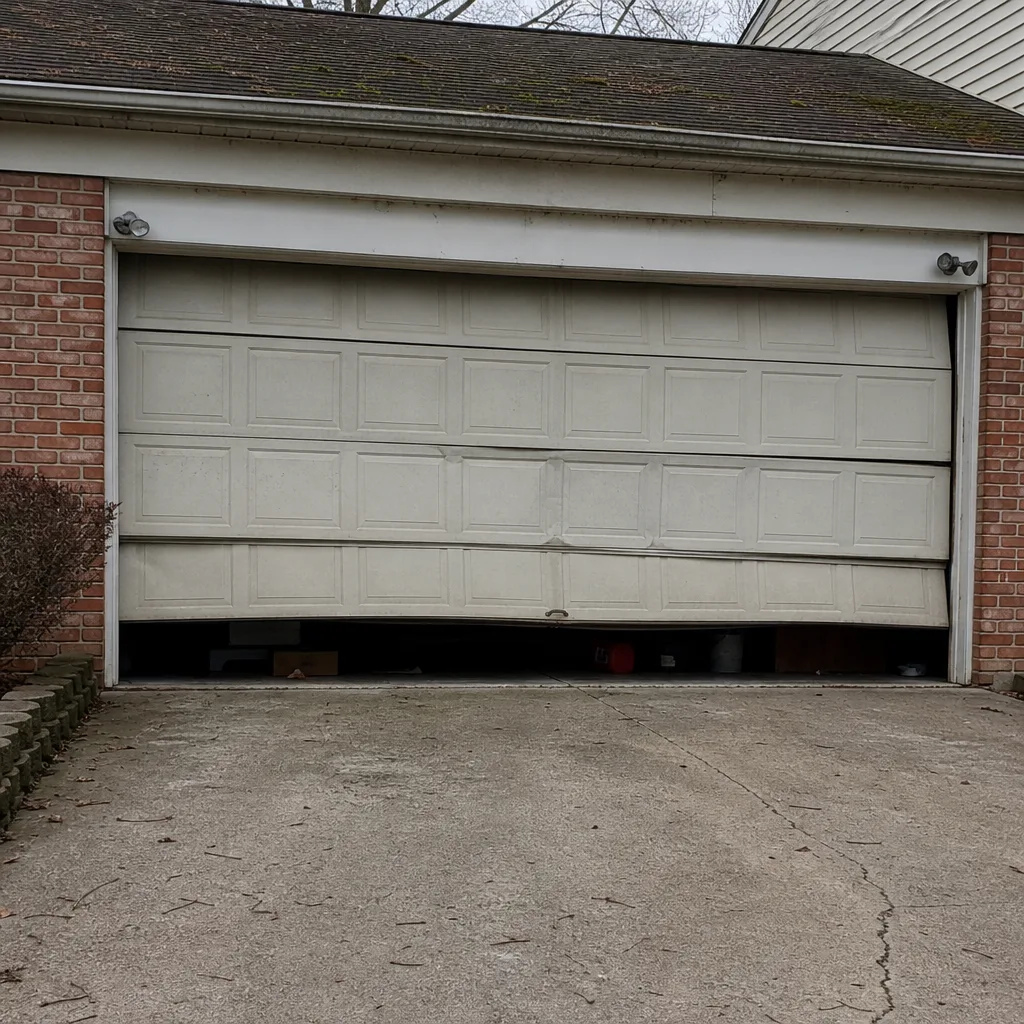 Before
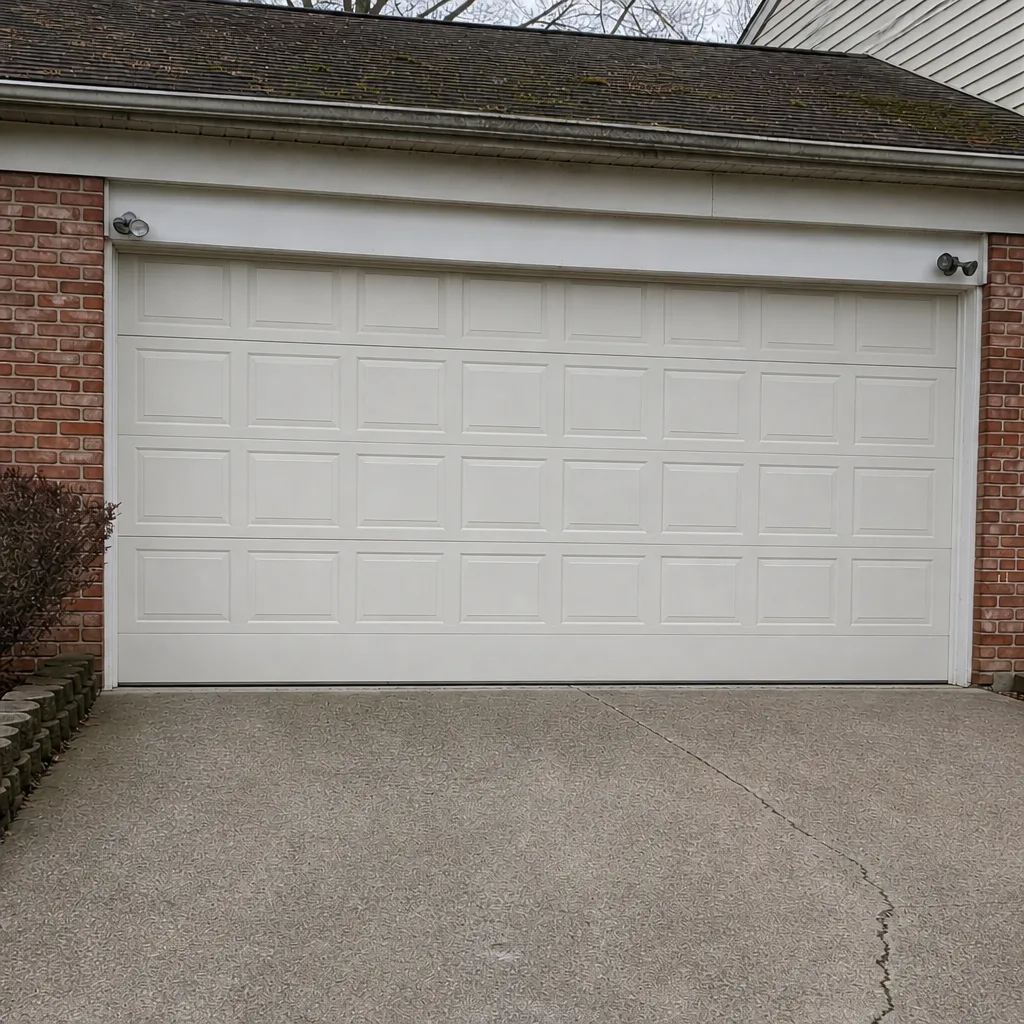 After
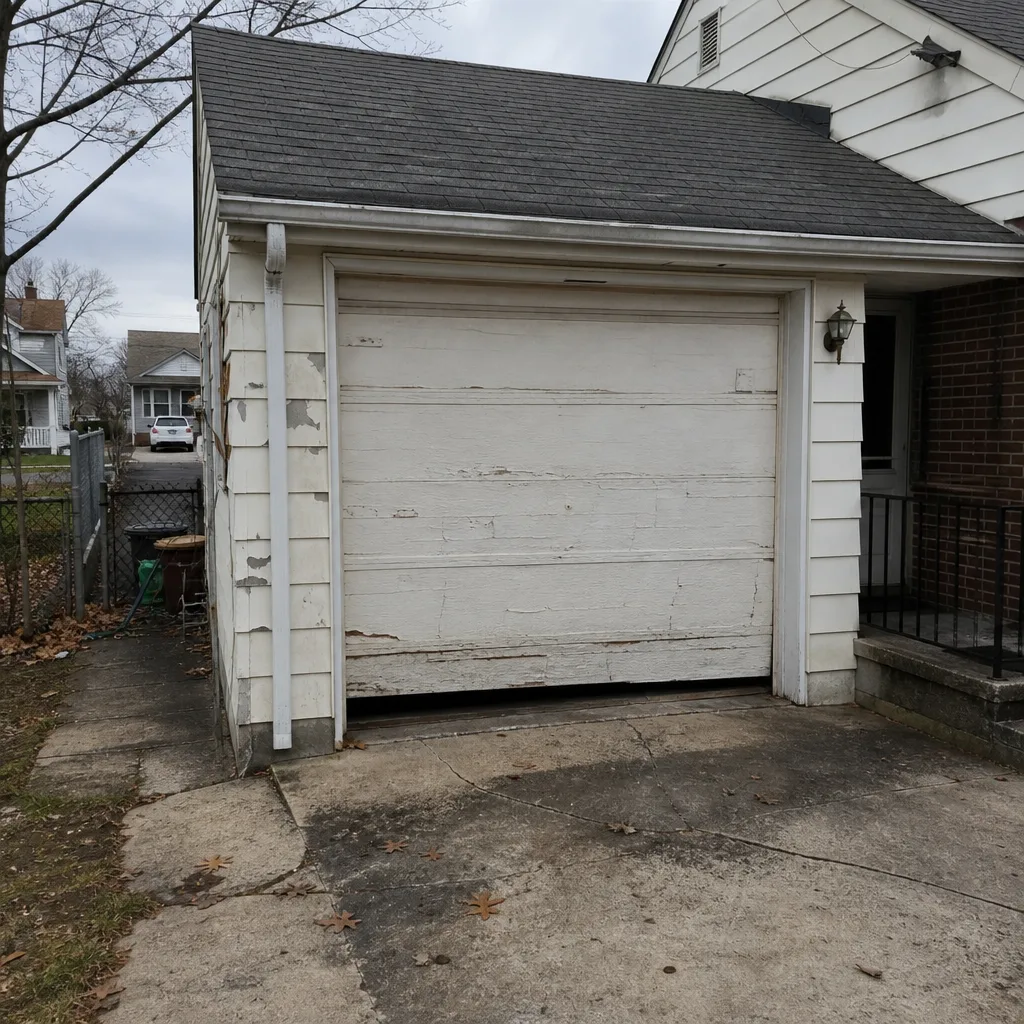 Before
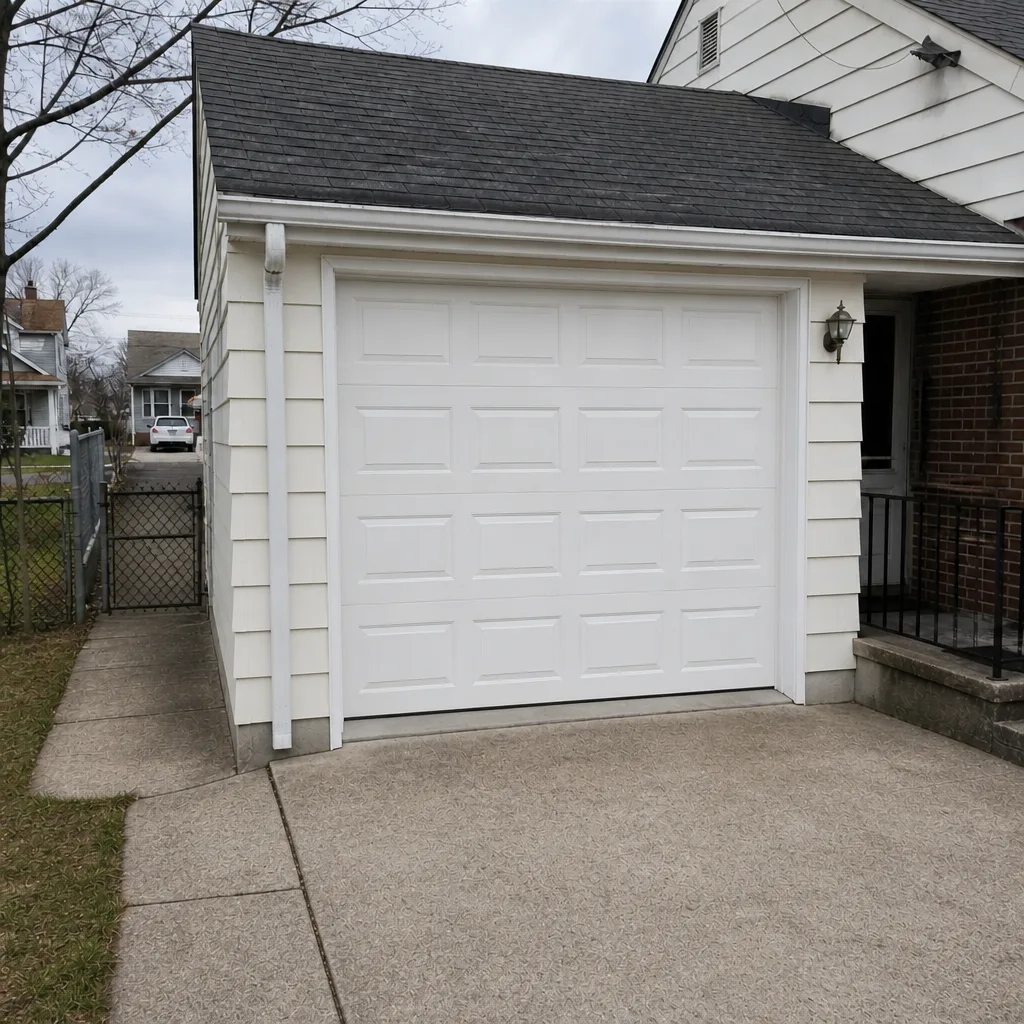 After
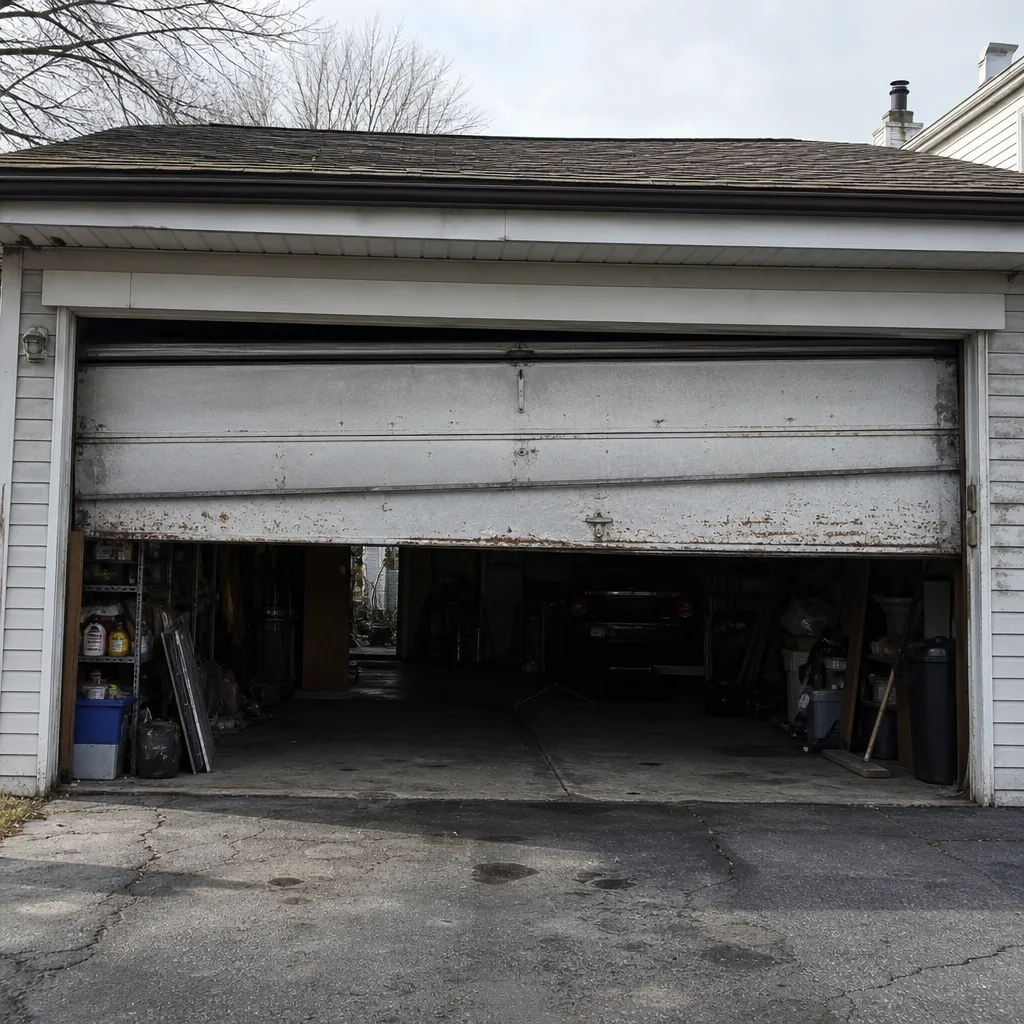 Before
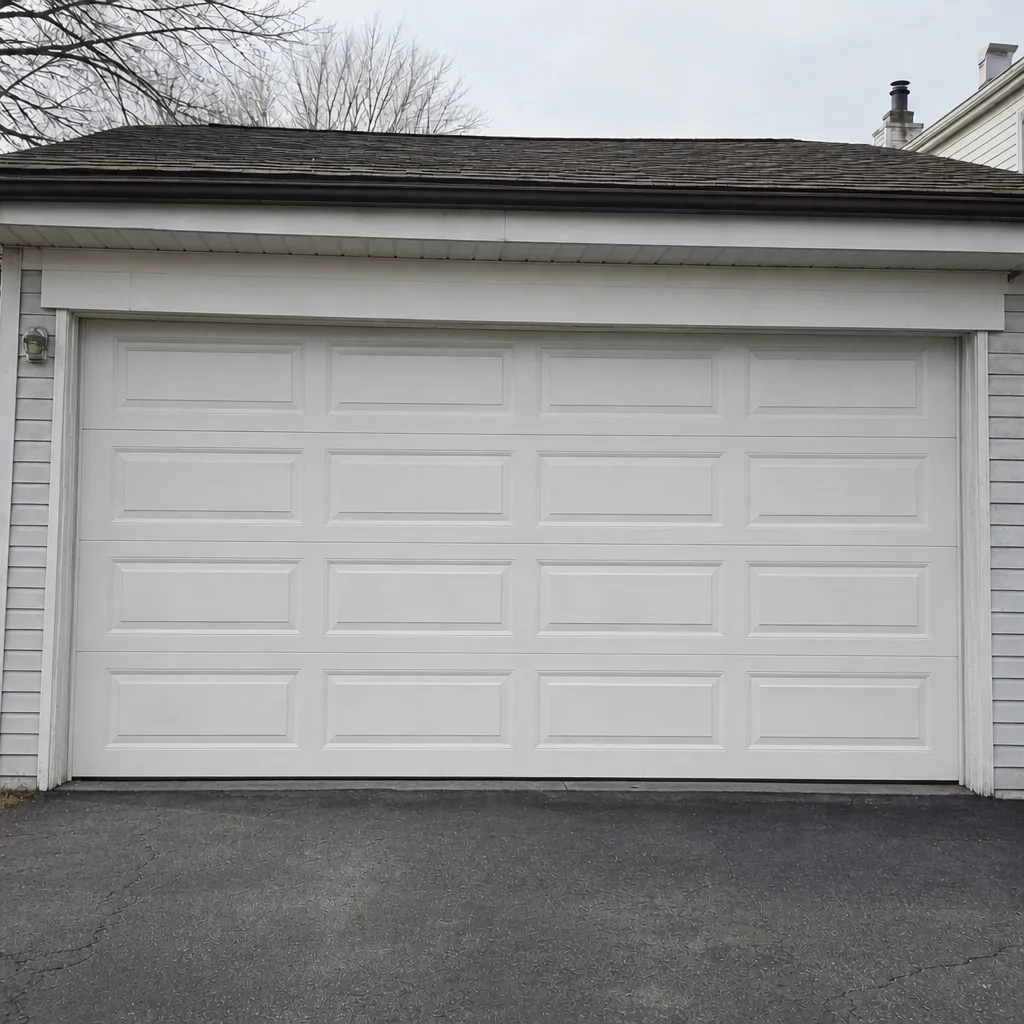 After
When to Call a Professional
Some garage door problems can wait for a scheduled visit. Some can’t. Call a professional immediately if your door won’t open or won’t close, if you hear a loud snap followed by the door refusing to lift, if the door has come off one track, if the opener runs but the door doesn’t move, if the safety reverse fails, or if a spring or cable is visibly broken, frayed, or hanging loose. These are the cases where diagnosis by an experienced specialist matters most, and where trying to force the door by hand can make the damage worse or cause injury. Less urgent signals include a door that’s getting louder, an opener that’s starting to struggle, or a door that’s visibly off-balance; those should be scheduled, not ignored. Plainfield Garage Door Repair Pros offers free estimates in Plainfield. Call (877) 492-3251. We answer 24/7. Fast dispatch from 7am to 7pm, Sunday through Friday.
Frequently Asked Questions
Ask for the contractor’s New Jersey Home Improvement Contractor (HIC) registration number and verify it through the state’s Division of Consumer Affairs database. The number should appear on the written estimate and any contract. If the contractor can’t produce it or hesitates, don’t book.
For a spring or opener repair, hire a specialist. A general handyman can sometimes adjust a track or tighten a bracket, but spring and opener work require specific tooling, part sourcing, and diagnostic training that generalists don’t have. Diagnostic accuracy is where the specialist’s hire pays for itself.
A written quote should itemize parts and labor separately, identify the spring type and size if springs are involved, list opener model numbers if an opener is being replaced, note whether haul-away is included, and be signed and dated. Any change in price should require your approval before the work starts.
A specialist can, if they carry replacement springs on the truck in your door size. The way to verify is to ask what springs they stock on the phone. If the answer is specific, the same-day capability is real. If the answer is “we’ll order the part,” expect a multi-day delay.
Homes built before 1985 often have non-standard header clearances that affect what doors and openers will fit and whether existing track can be reused. A contractor without that experience will be learning on your door. Ask for references from pre-1985 jobs and confirm them.
A specialist should have fluency across the major residential lines: LiftMaster, Chamberlain, Genie, Clopay, Amarr, Wayne Dalton, Craftsman, and Raynor. Ask which brands they service and listen for specific names rather than a general “we work on everything.”
The Bottom Line
Hiring a garage door contractor in Plainfield comes down to screening before you book, not after the fact. Verify the HIC license and insurance first, confirm that the company works almost exclusively on garage doors, ask the parts-on-the-truck question to test real same-day capability, insist on an itemized written quote with the parts and labor separated, and ask for references from pre-1985 homes. Spring repair is dangerous and should always be handled by a trained professional. The right specialist will welcome every question; the wrong one will dodge at least one. Take the extra five minutes. It’s worth it. For a free estimate, see Plainfield Garage Door Repair Pros or call (877) 492-3251. We answer 24/7. Fast dispatch from 7am to 7pm, Sunday through Friday. The price is quoted and agreed before any work starts.
Written by the team at Plainfield Garage Door Repair Pros.