
Last updated November 23, 2026
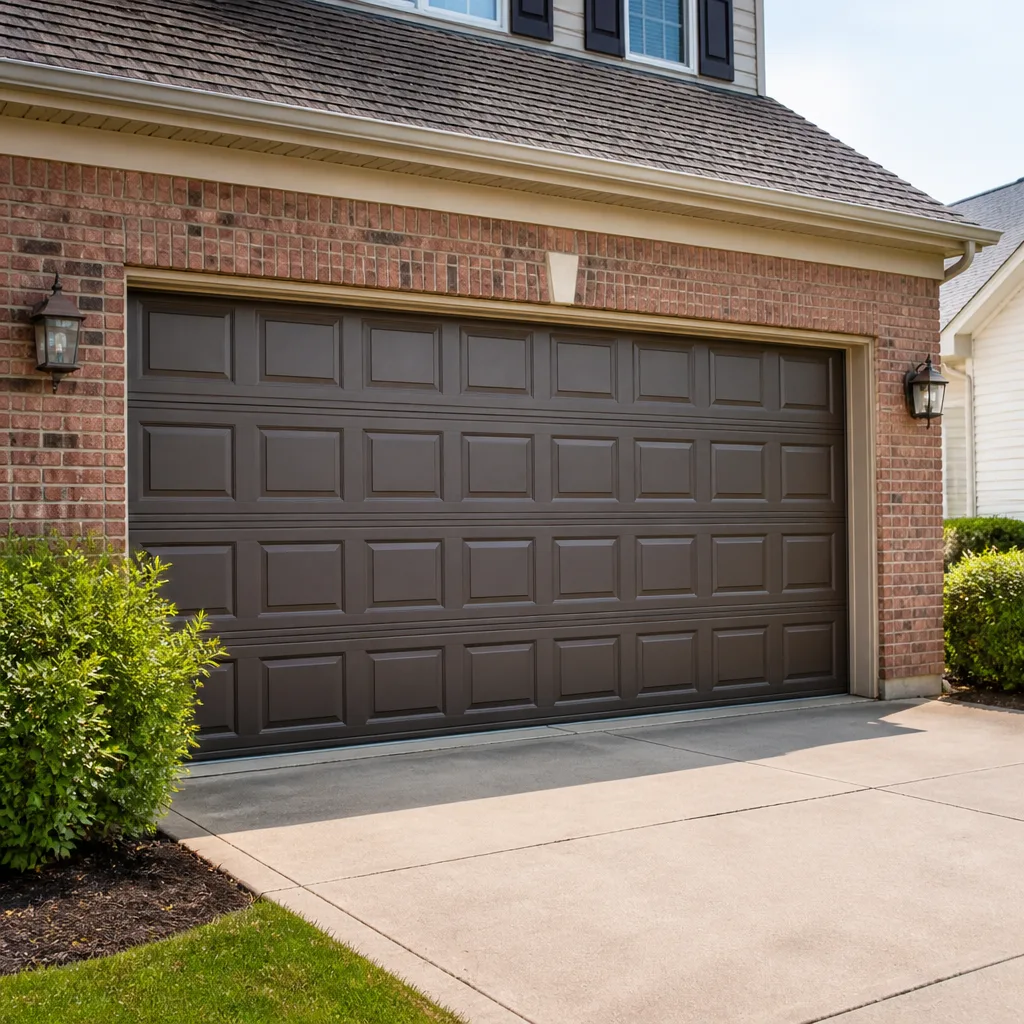 Raised-panel steel
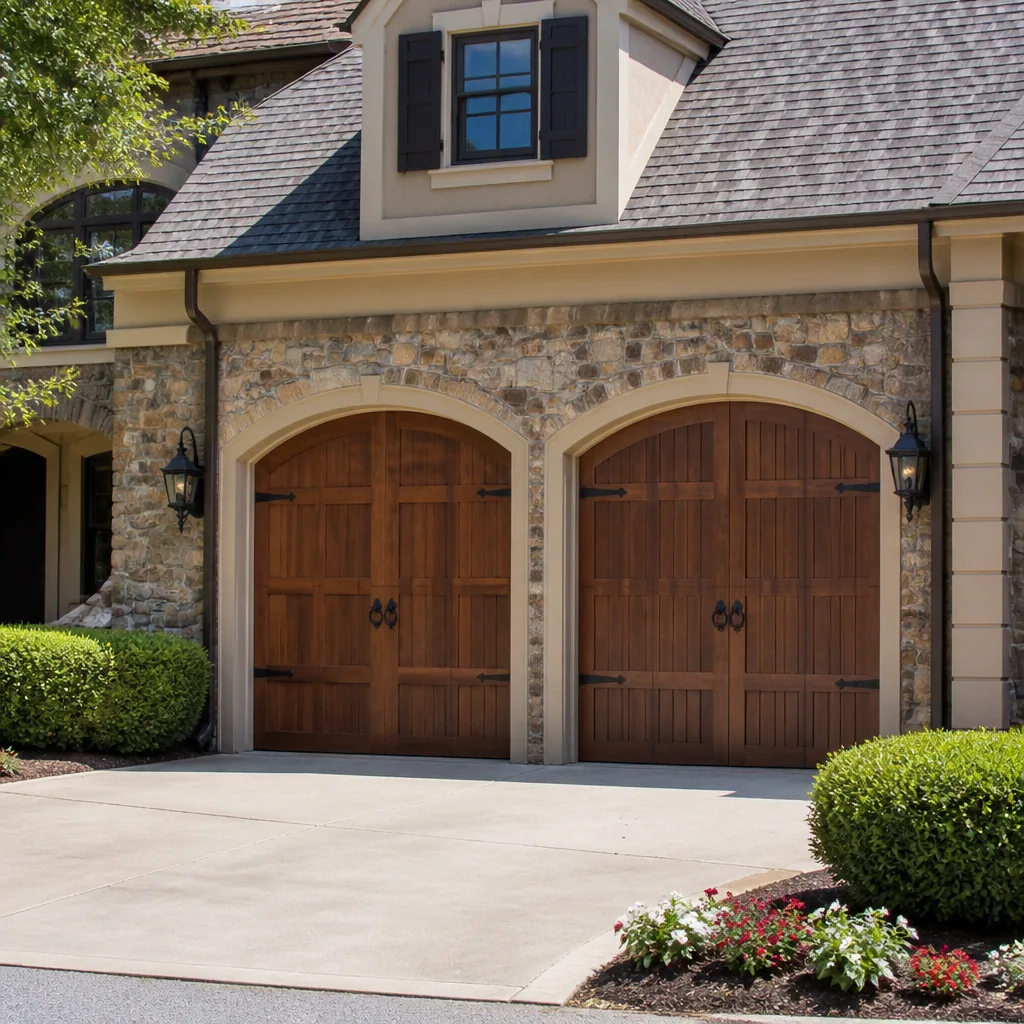 Carriage house
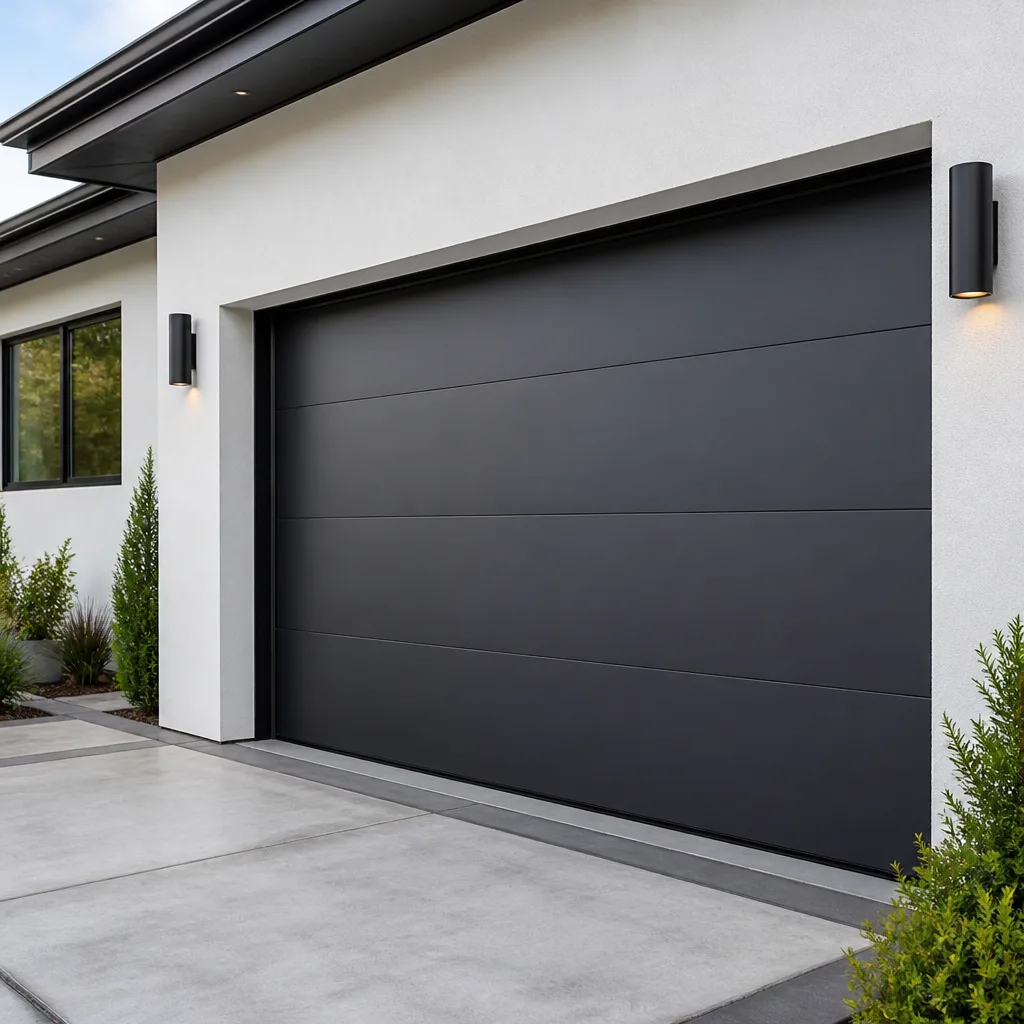 Modern flush
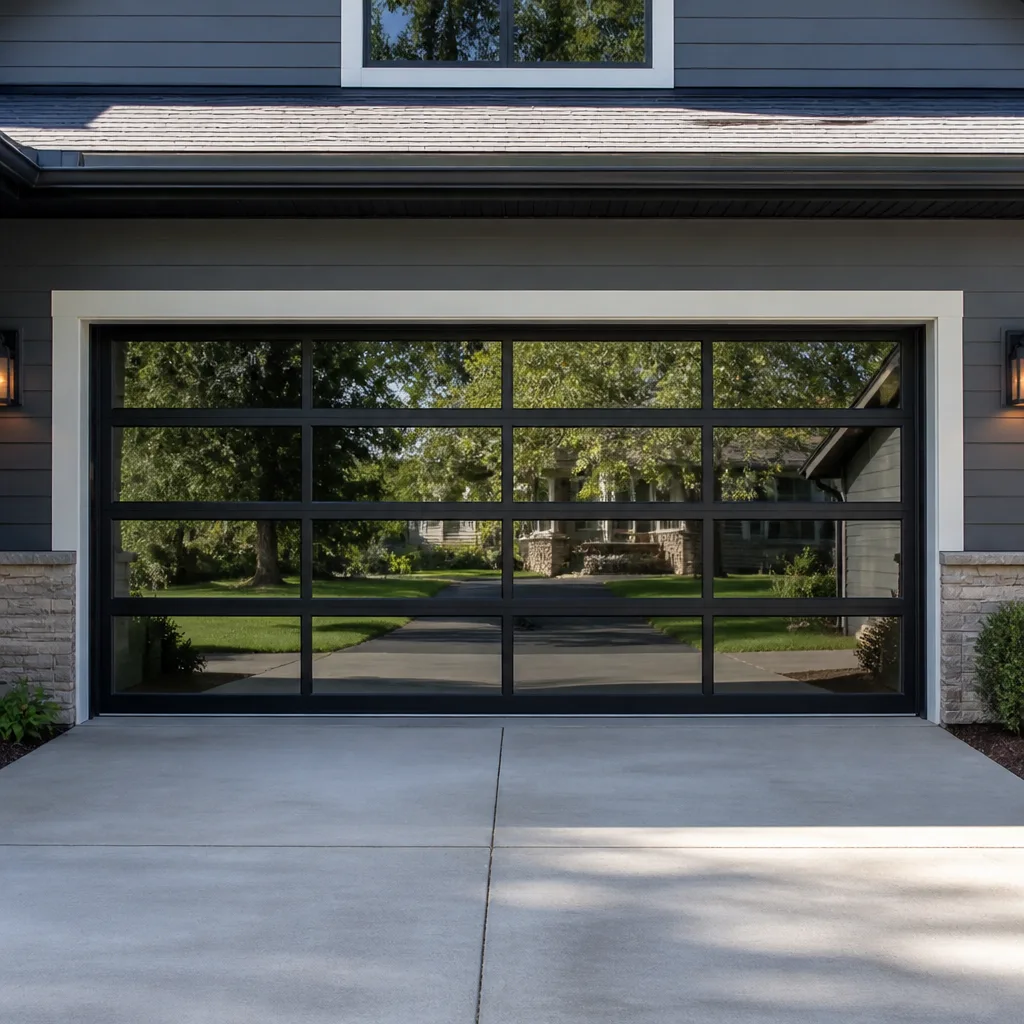 Full-view glass
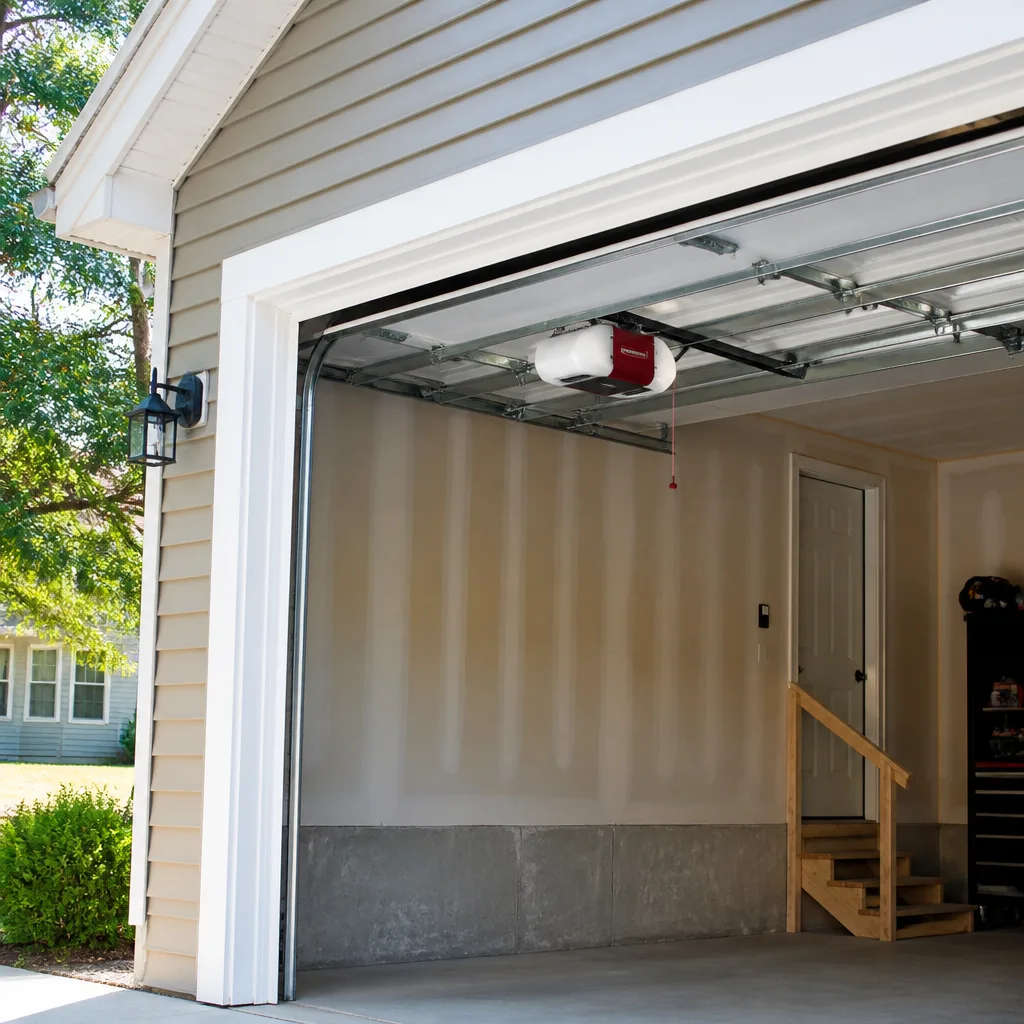 LiftMaster openers
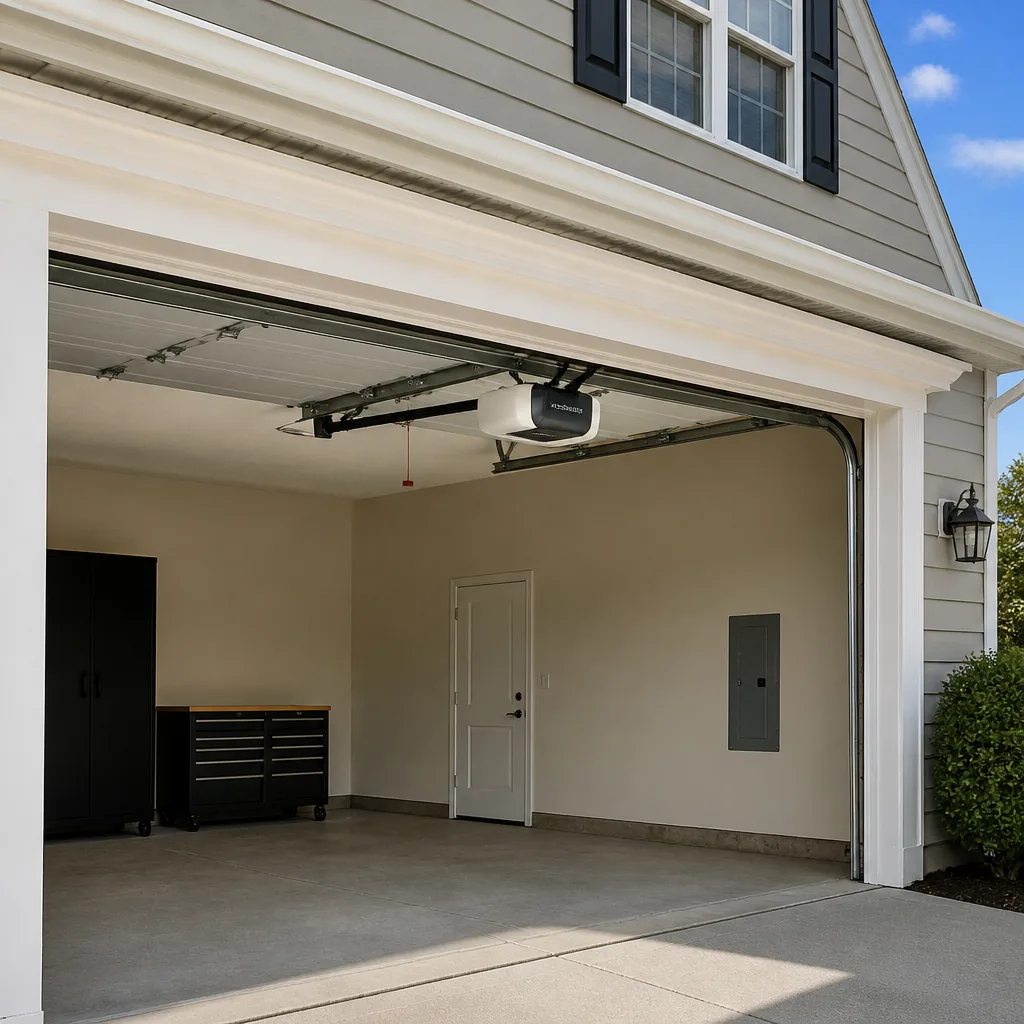 Chamberlain openers
Full 25-point door and opener safety check with every visit - springs, cables, rollers, tracks, and your LiftMaster or Chamberlain opener included
You get a price before we start. It does not change when the pro arrives.
Get your free estimateSeasonal Garage Door Care for Plainfield: Year-Round Homeowner’s Guide
January is the peak month for emergency garage door calls in Plainfield, and the reason is rarely the cold itself. It’s the summer and fall warning signs that went ignored. A door that groaned through August, a bottom seal that stopped touching the floor, a track that shifted after the spring thaw: these are the small failures that turn into a snapped spring or a dead opener once the temperature drops below 20°F. Plainfield’s four distinct seasons each stress a different part of your door, and the homeowners who stay ahead of breakdowns treat maintenance as four short seasonal tasks rather than one annual checkup. This guide walks through each season, what to inspect, and when the job is bigger than a visual check.
Quick Answer
Seasonal garage door care in Plainfield means four separate inspections tied to local weather: an opener sensitivity check before the first hard freeze, a track and alignment inspection after ground-heave season, a rust check on bottom seal hardware during the humid summer months, and a dollar bill weatherstrip test in the fall before cold air gets in. Each task takes 15 to 30 minutes. Done consistently, they prevent most of the spring and opener failures we get called for in winter.
Styles & brands we work with
- Raised-panel steel
- Carriage house
- Modern flush
- Full-view glass
- LiftMaster openers
- Chamberlain openers
Table of Contents
- Why Plainfield’s Four Seasons Stress Your Door Differently
- Winter: Preparing for Sub-20°F Temperatures and Spring Tension Loss
- Spring: The Post-Freeze Inspection Sequence
- Summer: Humidity, Rust, and the Bottom Seal
- Fall: The Dollar Bill Weatherstrip Test
- Plainfield’s Month-by-Month Care Calendar
- When a Seasonal Task Needs a Professional
- Frequently Asked Questions
Why Plainfield’s Four Seasons Stress Your Door Differently
A garage door is a system of moving parts that expand and contract with temperature. In Plainfield, that system goes through roughly 90°F swings over a calendar year. Steel tracks expand in July and contract in January. Wood and composite panels absorb moisture in summer and dry out in winter. Torsion springs cycle through tension changes every time the temperature moves more than 20 degrees. No other part of your home takes this kind of seasonal beating.
The failure pattern is predictable. Most emergency calls in Plainfield happen between December and February, not because winter breaks doors, but because winter is when accumulated wear finally gives out under extra load. Cold thickens the lubricant, stiffens the seals, and increases the resistance the opener has to push through. A door that was already struggling in October will fail in January.
That’s why we think about seasonal care in four separate blocks rather than one checklist:
- Winter is about load: cold, tension, and opener strain
- Spring is about alignment: what shifted when the ground thawed
- Summer is about moisture: rust on hardware below the door line
- Fall is about sealing: getting the envelope tight before cold air arrives
Each season puts stress on a different part of the system, so each inspection looks at something different. A generic “check your door once a year” approach misses the season-specific failures that cause most of the breakdowns we see in Plainfield homes.
Winter: Preparing for Sub-20°F Temperatures and Spring Tension Loss
When the temperature drops below 20°F, torsion springs on your door lose tension. That’s not a defect, it’s physics. Cold steel is less elastic than warm steel, and a spring that was perfectly balanced at 60°F needs more travel to lift the same door weight at 15°F. The opener compensates by pushing harder. If the opener was already near its limits, or if the spring was already showing wear, the extra demand is what pushes it over the edge.
The most useful winter task is adjusting your opener’s sensitivity settings before the first hard freeze. Most modern openers, including the LiftMaster and Chamberlain units common in Plainfield garages, have a sensitivity adjustment on the back or side of the motor housing. Turning it up slightly lets the opener handle the extra cold-weather resistance without tripping its safety reverse.
A pre-freeze checklist for Plainfield homeowners
- Test the safety reverse. Place a 2×4 flat on the floor under the door and close it. The door should reverse on contact. If it doesn’t, the sensitivity or travel limits need adjusting before cold weather.
- Lubricate the moving parts. A garage door lubricant (not WD-40) on hinges, rollers, and the spring coils reduces friction that gets worse in cold. Do this once in late fall.
- Check the weatherstrip along the bottom. A stiff, cracked seal lets cold air in and puts extra load on the opener as the door struggles against the frozen floor line.
- Listen for new sounds. A door that grinds, squeals, or hesitates in November will usually fail in January. Address the noise before the deep freeze.
- Look at the springs. A visible gap in a torsion spring means it’s already broken and needs replacement before you run the opener again.
One important safety note: torsion springs are under extreme tension and can cause serious injury if handled without the right tools and training. If you see anything wrong with the spring itself, don’t try to adjust it. Call a professional for garage door spring repair. The spring is the one part of your door system that should never be a DIY project.
The other winter job worth doing: clear the area around the door’s bottom seal of any ice or packed snow that builds up along the apron. Ice under the seal makes the door work harder to close, which stresses the opener and eventually the spring.
Spring: The Post-Freeze Inspection Sequence
When Plainfield’s ground thaws, it doesn’t thaw evenly. The freeze-thaw cycle that runs from late February through April moves the soil under your driveway and garage slab. That movement is small, usually fractions of an inch, but garage door tracks are sensitive to fractions of an inch. A track that was plumb in December can be a quarter-inch out of alignment by April, and that’s enough to bind the rollers and strain the opener.
The post-freeze inspection is about catching alignment problems before they wear out the moving parts. Here’s the sequence we walk through:
- Stand back and look at the door. Is it sitting level on the floor when closed? Is there a visible gap on one side? A door that’s higher on one side usually points to a track or cable issue.
- Check the vertical tracks with a level. Both tracks should be plumb. If one is leaning in or out at the top, the door will bind as it travels.
- Check the horizontal tracks. They should be parallel to each other and level. Sagging horizontal tracks are common in older Plainfield garages where the ceiling framing has shifted.
- Look for track damage. Dents, kinks, or gaps between track sections are alignment problems that get worse over time.
- Inspect the rollers. Worn rollers, especially nylon rollers that have cracked over the winter, cause the door to wander in the track.
- Test the door balance. Disconnect the opener and lift the door by hand to the halfway point. It should stay there. If it drops or rises, the spring tension is off.
Warping: when it’s an adjustment and when it’s a replacement
Wood and composite panels can warp after a hard winter, especially on the south-facing side of the garage where sun and freeze-thaw cycles stress the material most. Small warps, up to about a quarter inch, can often be corrected by adjusting the hinges and rebalancing the door. Larger warps, or warping across multiple panels, usually mean the panel structure has failed and needs replacement. Clopay and Amarr both make replacement panels sized to fit existing doors, so a single warped panel doesn’t require a whole new door.
If the track is out of alignment by more than a quarter inch, or if the door is binding hard against the jamb, that’s a professional realignment, not a homeowner fix. Call us for garage door repair if you’re not sure which category your door falls into. We can usually tell within five minutes of looking at it.
Summer: Humidity, Rust, and the Bottom Seal
Plainfield’s July and August humidity is hard on the parts of your door that live closest to the ground. The bottom seal, the bottom brackets, the lower hinges, and the cable ends are where rust starts, and once rust gets into a moving part it doesn’t stop. The good news: it’s the easiest seasonal problem to prevent, and it doesn’t require any specialty tools.
The problem is moisture. Summer humidity keeps a thin film of condensation on the bottom of the door every morning, especially in garages that aren’t climate-controlled. That condensation sits on bare steel cable ends and on the screws and brackets that hold the bottom seal. By August, rust is visible. By the next winter, cable ends can be weak enough to need replacement.
What actually slows rust without attracting dirt
The right coating is a dry-film lubricant, sometimes sold as a dry PTFE or dry silicone spray. Unlike oil or grease, dry-film lubricants leave a thin waxy film that repels moisture but doesn’t collect dust, pollen, or grass clippings the way grease does. Grease on a garage door track is a dirt magnet, and the grit that collects in grease is worse for your rollers than the original friction.
Here’s the summer sequence:
- Wipe down the bottom seal hardware with a dry cloth to remove grit and any loose rust
- Spray the cable ends, bottom brackets, and lower hinges with a dry-film lubricant, following the label
- Inspect the bottom seal itself for cracks, brittleness, or separation from the door
- Check the rollers and track for rust, especially on the bottom curved section where water tends to pool
- Test the door balance again to confirm nothing has drifted since spring
If the bottom seal is cracked or torn, replace it before fall. A seal that’s failing in summer will leak badly in winter, and the cold air infiltration it allows puts extra load on the opener and the spring. Most bottom seals are a straightforward replacement, and we can source the right profile for doors from Clopay, Wayne Dalton, and other common brands.
The cable end problem
Rusty cable ends are a specific safety issue. The cables on your door are under high tension, and a cable end that has corroded to the point of failure can snap. If you see rust creeping into the swaged end of a cable, or if the cable looks frayed or kinked, don’t operate the door. Call for garage door repair and have it evaluated before using the door again. Cable work, like spring work, is genuinely dangerous without training.
Fall: The Dollar Bill Weatherstrip Test
Before cold air arrives, you want to know where your weatherstrip is failing. The simplest test uses a dollar bill and takes about five minutes:
- Close the door fully.
- Slide a dollar bill under the bottom seal at a half-dozen points across the door’s width, from the center of the door to each edge.
- Pull it out. You should feel a slight resistance at every point. If the bill slides out easily, or slides out with almost no drag, that’s a gap.
- Repeat along the sides and top, closing the door on the bill at the side seals and checking for similar resistance.
- Mark any gaps with a piece of painter’s tape on the frame, so you know where to focus.
Gaps at the bottom usually mean the bottom seal needs replacing. Gaps at the sides or top usually mean the garage door frame weatherstrip has worn out, or the door itself has shifted slightly out of square. Both are fixable, and both are worth fixing before winter because a leaking seal lets cold air into the garage, which puts more load on the opener and causes the temperature inside the garage to swing more widely, which is harder on the springs.
While you’re doing the dollar bill test, check the threshold for cracks or gaps at the floor. Some garages in Plainfield have concrete aprons that have settled slightly, leaving a visible gap between the floor and the door’s bottom seal. That’s a bigger repair than a weatherstrip replacement, but it’s the kind of thing worth knowing about before the first snow.
One more fall task: opener battery
If your opener has a battery backup (common on modern LiftMaster and Chamberlain units), replace the battery in fall. A battery that’s been quietly holding a charge through summer often fails the first time it’s actually needed during a winter power outage.
Plainfield’s Month-by-Month Care Calendar
This calendar is built around Plainfield’s actual weather, not a generic national template. Adjust timing slightly if the season runs early or late in a given year, but the order of tasks stays the same.
Late fall (November): Pre-freeze prep
- Adjust opener sensitivity higher before hard freezes hit
- Lubricate springs, hinges, and rollers with garage door lubricant
- Run the dollar bill weatherstrip test
- Test safety reverse with a 2×4
Winter (December-February): Load management
- Listen for grinding or hesitation when the door opens
- Keep the bottom seal area clear of ice and packed snow
- Watch for a visible gap in a torsion spring (stop using the door if seen)
- Avoid running the opener repeatedly during cold snaps
Early spring (March-April): Post-thaw inspection
- Level-check both vertical tracks
- Test balance by disconnecting the opener and lifting halfway
- Inspect for door warp after freeze-thaw season
- Check rollers for cracks
Late spring (May): Loose hardware sweep
- Tighten all hinge and bracket bolts (they loosen after a winter of vibration)
- Confirm the bottom seal is still making contact
- Re-lubricate moving parts after any winter use
Summer (June-August): Rust prevention
- Wipe and dry-film-lubricate bottom seal hardware and cable ends
- Inspect the bottom seal for cracking and replace before fall
- Check rollers and lower track sections for rust
Early fall (September-October): Sealing and inspection
- Run the dollar bill test again to catch summer-related seal wear
- Replace the opener backup battery
- Inspect cables for fraying or rust at the swaged ends
- Test the safety reverse before cold weather
If you want a single sequence that covers everything, our team can do all four seasonal inspections and repairs in one visit. Call (877) 492-3251 for a free estimate on a full inspection.
When a Seasonal Task Needs a Professional
Most seasonal care is designed to be homeowner-friendly: visual checks, lubrication, and the dollar bill test. But some things cross from “seasonal task” to “call a pro immediately.” If a torsion spring has snapped (you’ll see a gap in the coil or the door won’t lift at all), don’t operate the door. If a cable is frayed, kinked, or has visible rust at the swaged end, don’t operate the door. If the door is binding hard against the track, or if the track is more than a quarter inch out of plumb, don’t force it. These situations need a trained technician, and running the opener anyway is the easiest way to turn a $200 repair into a $600 one.
For openers that have stopped working, or that fail safety-reverse tests after adjustment, our garage door opener repair team can diagnose the issue. Our technicians have up to 15 years of experience on the brand systems most common in Plainfield homes, including LiftMaster, Chamberlain, Genie, Craftsman, Clopay, Amarr, Wayne Dalton, and Raynor. Garage doors are all we do. Plainfield Garage Door Repair Pros offers free estimates in Plainfield. Call (877) 492-3251. We answer 24/7. Fast dispatch from 7am to 7pm, Sunday through Friday.
See the difference
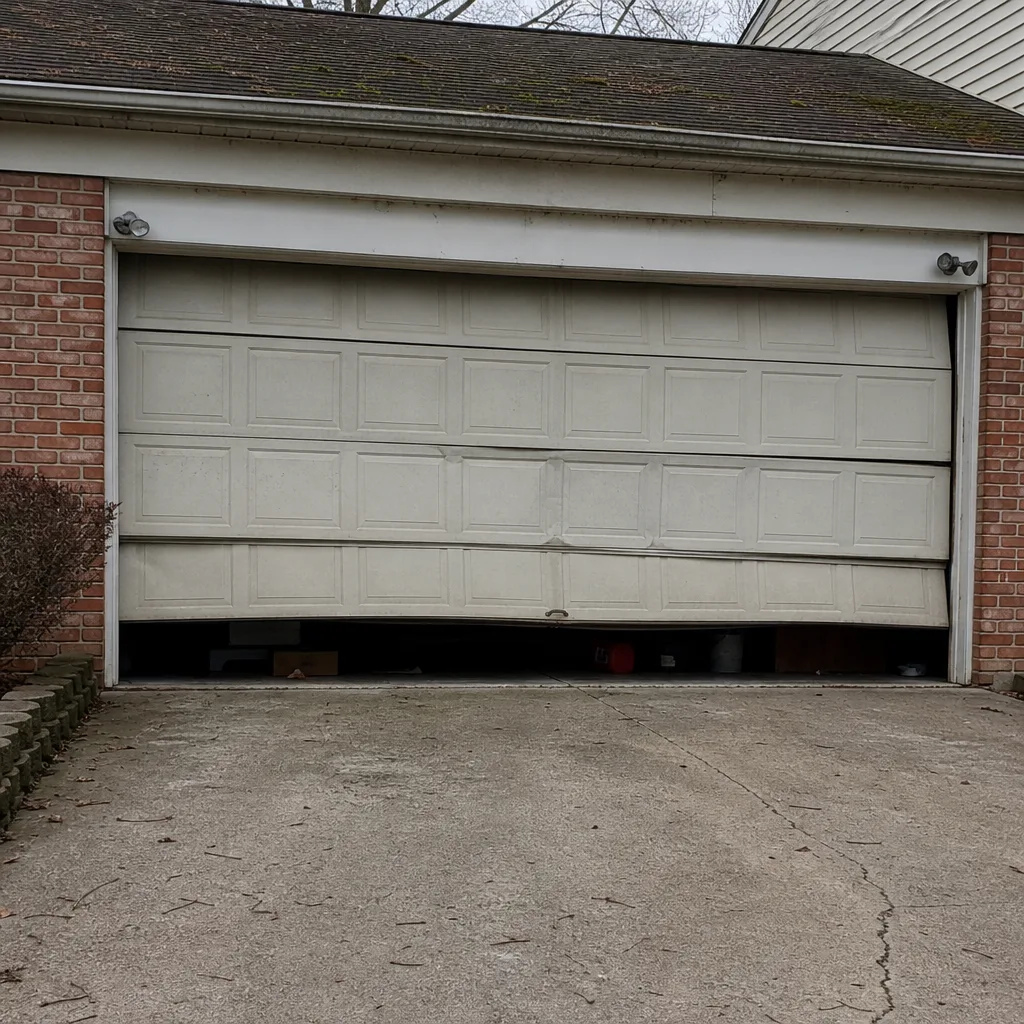 Before
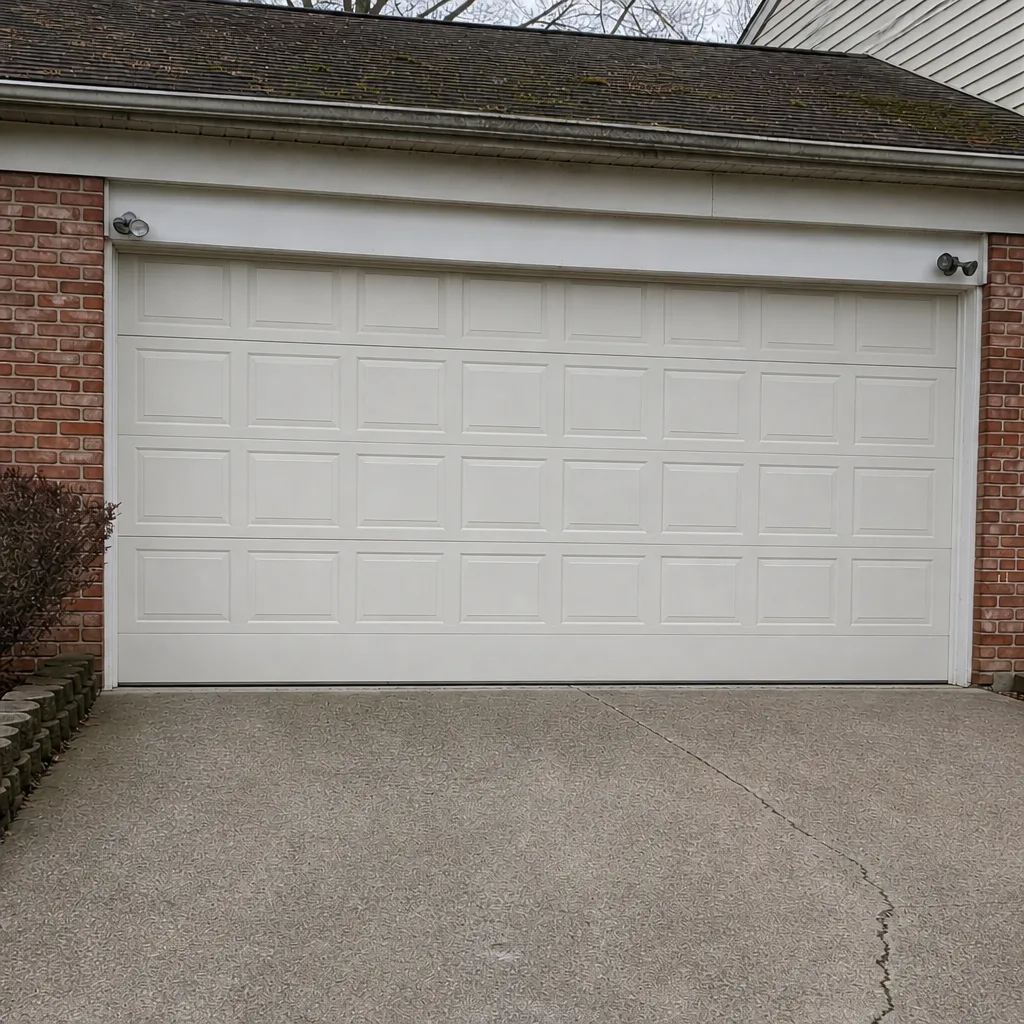 After
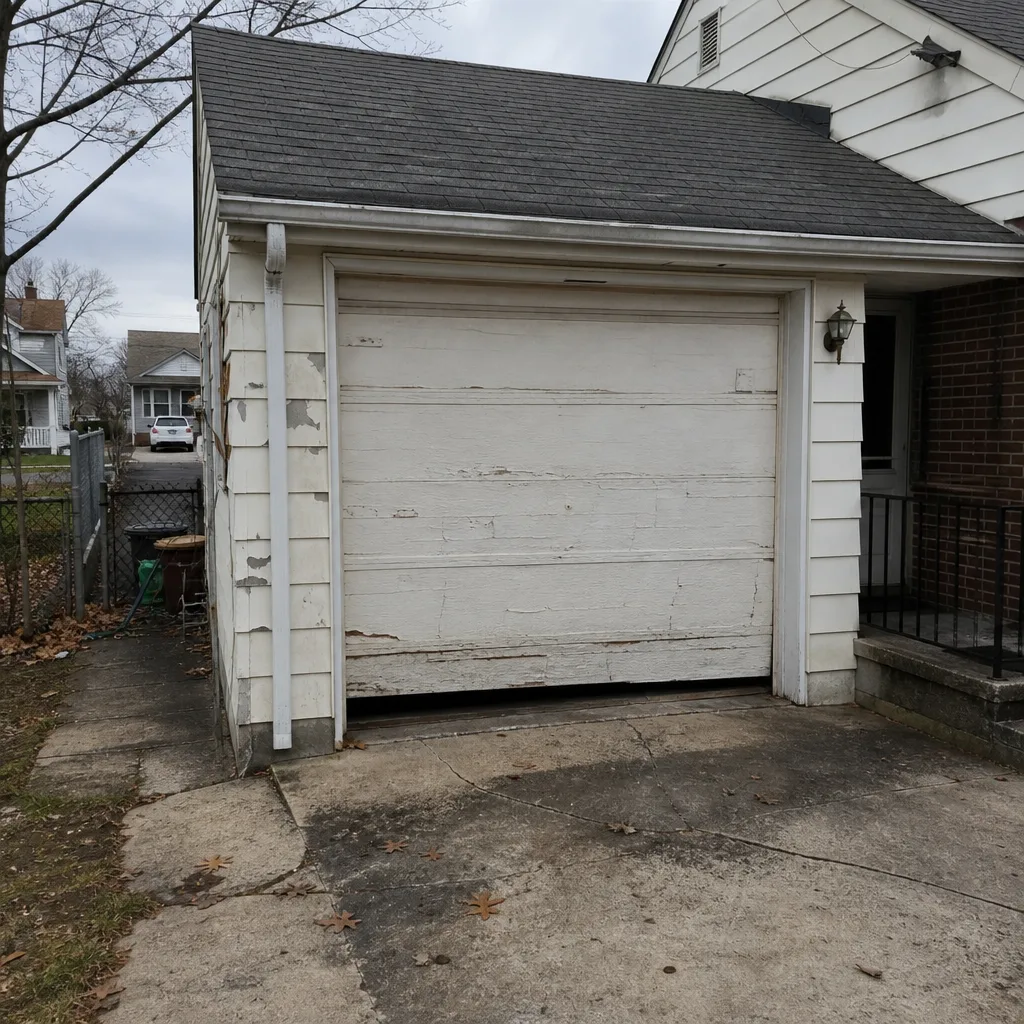 Before
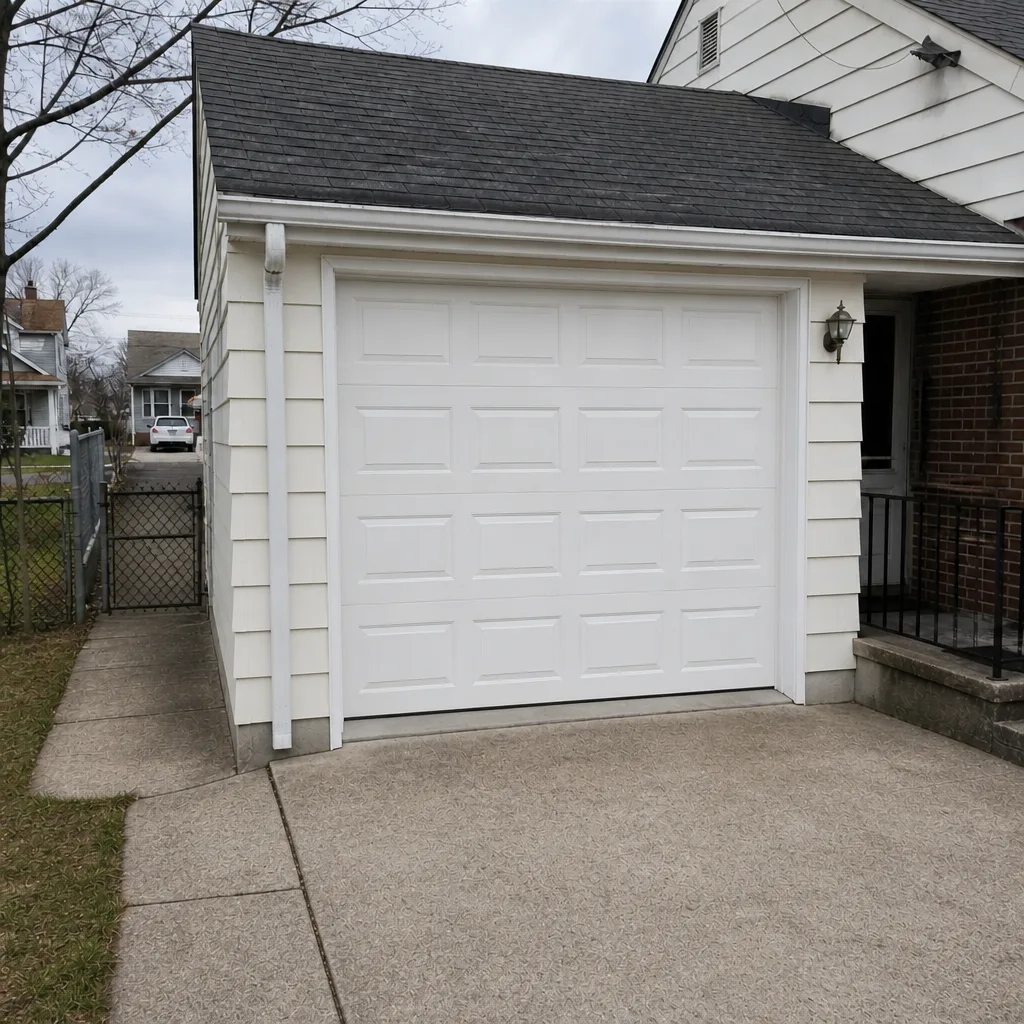 After
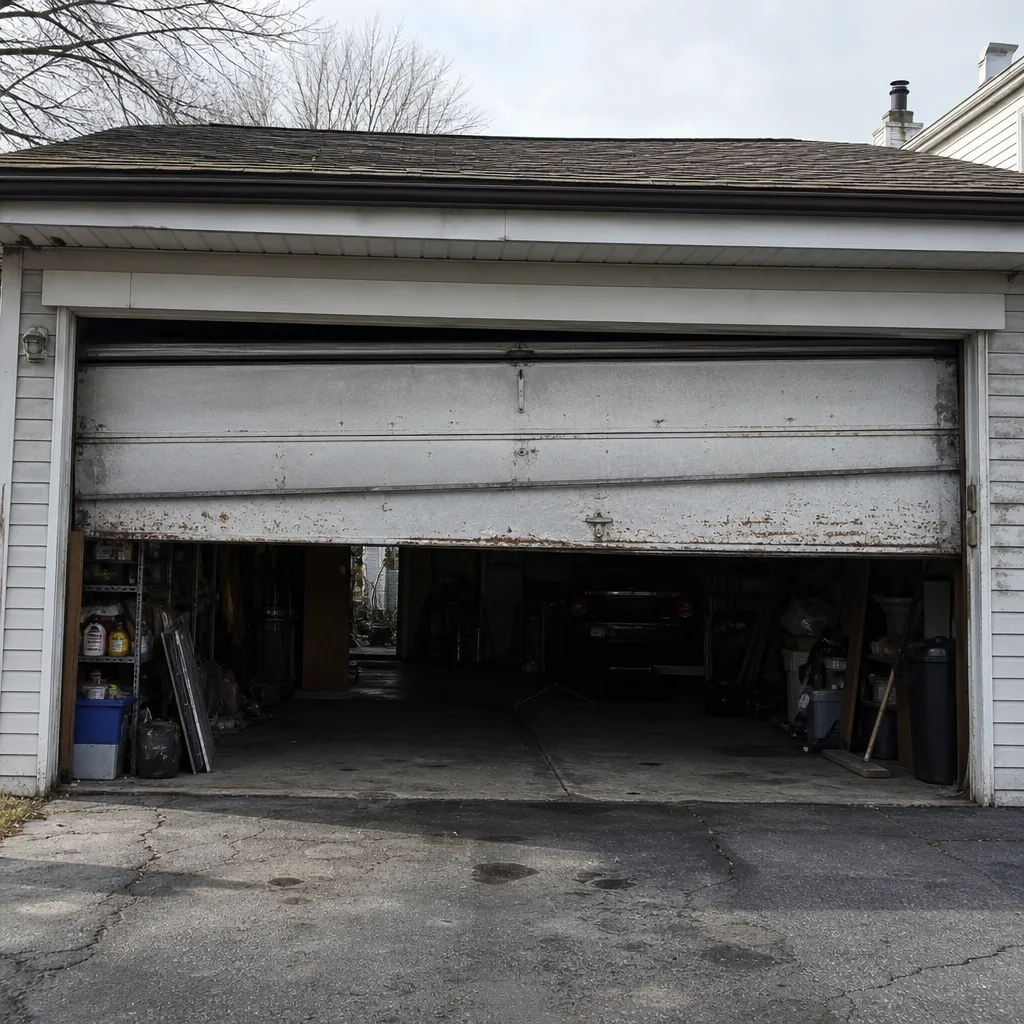 Before
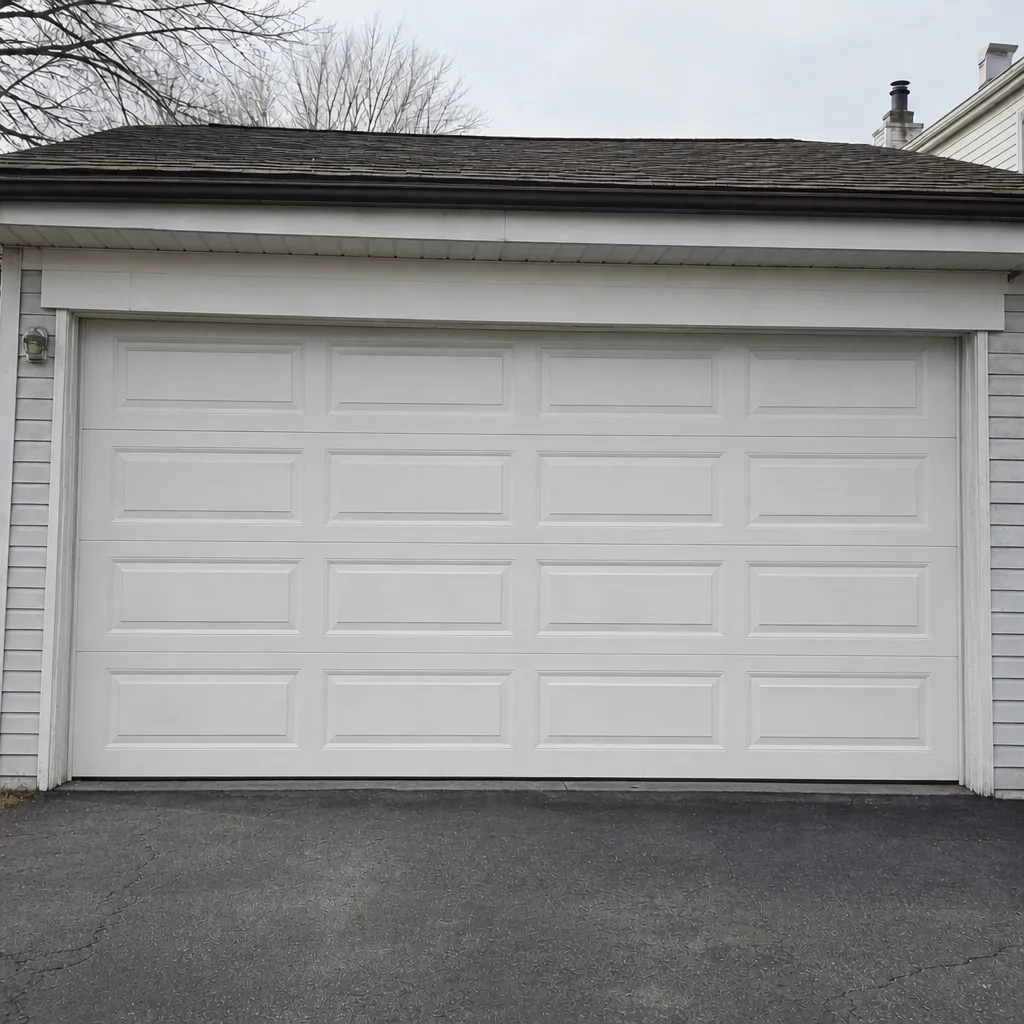 After
Common Mistakes to Avoid
- Using WD-40 on the tracks. WD-40 is a solvent, not a long-term lubricant. It dissolves the grease that’s already on the rollers and leaves the track dry, which accelerates wear. Use a dedicated garage door lubricant instead.
- Greasing the track itself. The track should be clean and dry. Grease on the track collects grit and dirt, which wears out the rollers faster than plain friction would.
- Adjusting the spring tension yourself. Torsion springs are under extreme tension. A single slip can break a wrist or worse. Spring tension adjustment is a professional job, always.
- Ignoring a slow-closing door in summer. A door that hesitates in July is telling you the opener is under load. Waiting until it fails in January means a more expensive repair.
- Patching a failing bottom seal with duct tape. A taped seal leaks worse than a worn seal. Replace it. The cost of a bottom seal is small compared to the cost of cold air infiltration all winter.
- Testing the safety reverse by hand. The pressure a hand or arm exerts is not the same as the pressure a door exerts. Use a solid object like a 2×4, as the manufacturer specifies.
- Skipping the post-thaw check. Plainfield’s freeze-thaw cycles move the ground. A door that was fine in December can be a quarter inch out of alignment by April, and that misalignment is what pushes the opener toward failure the following winter.
Frequently Asked Questions
A thorough professional service once a year is enough for most Plainfield homes, and the best time is late fall before the first hard freeze. Between professional services, the four seasonal inspections in this guide catch most developing problems early. Homes with older doors, or doors on the south side of the garage that take more sun and temperature swing, benefit from a professional check twice a year.
Cold thickens the lubricant on your rollers and hinges and makes the bottom seal stiffer. Torsion springs also lose tension below about 20°F. The result is a door that needs more force to lift, which stresses the opener. Adjusting the opener sensitivity higher and lubricating before the freeze usually solves it. If the door still struggles after that, the spring tension may need professional adjustment.
Use the dollar bill test. Close the door on a dollar bill at several points along the bottom, sides, and top. If the bill slides out with no resistance, the weatherstrip isn’t sealing. Small gaps often mean replacing the bottom seal. Larger gaps at the sides or top usually mean the frame weatherstrip needs replacement or the door is slightly out of square.
No. Torsion springs are under hundreds of pounds of tension and can cause serious injury if handled without proper tools and training. This is one repair where the professional cost is worth it. Plainfield Garage Door Repair Pros handles spring repair as a core service. Call (877) 492-3251 for a free estimate – estimates are free.
We’re closed Saturday, and open Sunday through Friday, 7am to 7pm. If a door fails on a Saturday, call and we’ll book you into Sunday, which is our next open day. We answer the phone 24/7, so the call itself always reaches us.
Estimates are free. The price of any repairs found during an inspection is set per job by a written estimate before work begins, so you’ll know the number before anything happens. For spring, opener, or cable repairs, call (877) 492-3251 for an exact quote.
The Bottom Line
Seasonal garage door care in Plainfield isn’t one annual task, it’s four small ones: opener sensitivity in late fall, track alignment in early spring, rust prevention in summer, and weatherstrip testing in fall. Each takes 15 to 30 minutes and addresses the specific failure mode that the coming season will stress. Skip them, and the failures show up as emergency calls in January, which is exactly when you least want your door to stop working. The complete guide above walks through each season in detail, and most of it is doable without tools you don’t already own. For the parts that need a trained eye, including spring work, opener diagnostics, and full inspections, Plainfield Garage Door Repair Pros is ready when the task gets bigger than a visual check.
Call (877) 492-3251 for a free estimate. We answer 24/7. Fast dispatch from 7am to 7pm, Sunday through Friday.
Written by the team at Plainfield Garage Door Repair Pros.